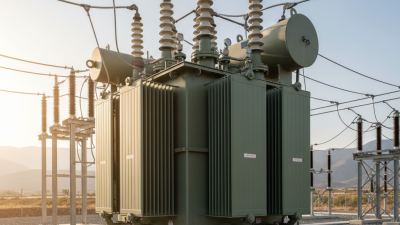
You know, in today’s world where renewable energy is just exploding in popularity, it’s super important to have efficient tech that can keep up. One thing that’s really been making waves lately is the Solar Transformer — kind of like a hero in solar energy setups. Basically, it helps turn the direct current (DC) you get from solar panels into alternating current (AC), which is what the grid needs. Without it, all that solar power just wouldn’t be usable on a larger scale.
As more and more folks are pushing for cleaner energy solutions, Solar Transformers aren’t just about switching up the electricity. They actually make the whole system more reliable, boost efficiency, and help keep the power grid stable. Plus, they cut down on energy losses during transmission, which is a big deal because it makes solar energy more practical and competitive against traditional sources. All in all, Solar Transformers are pretty crucial for moving toward a greener, more sustainable future, and they offer some seriously compelling benefits along the way.
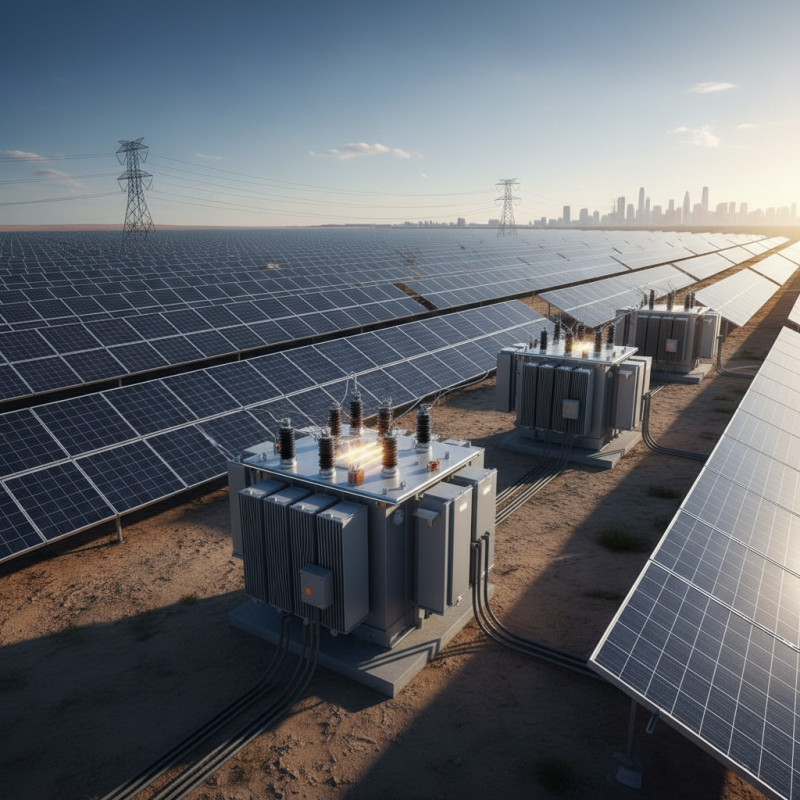
Understanding Solar Transformers in Renewable Energy Systems
In the realm of renewable energy systems, solar transformers play a crucial role in enhancing overall efficiency and reliability. These specialized transformers facilitate the process of converting the generated solar energy, typically in a low-voltage format, into a high-voltage output suitable for transmission through power grids. According to the International Energy Agency (IEA), the implementation of solar transformers can lead to efficiency improvements of up to 95%, making them instrumental in optimizing energy distribution and minimizing losses.
To ensure maximum performance when integrating solar transformers into renewable energy systems, it’s essential to consider the specific requirements of your solar installation. Regular maintenance checks and monitoring of transformer performance can significantly prolong lifespan and improve efficiency. **Tips:** Regularly inspect connections and insulation to prevent energy loss, and ensure that the transformer is adequately rated for the solar system's output to prevent overheating and failures.
Moreover, solar transformers are designed to handle fluctuations in energy supply and demand, providing stability and reliability. The Global Solar Energy Market Report suggests that as solar capacity continues to grow, the demand for high-quality solar transformers will increase, driving innovations in design and technology. **Tips:** When selecting a transformer, focus on ones with advanced thermal management features to enhance operational resilience in variable climatic conditions, ensuring that your renewable energy system remains robust against potential external stressors.
Top Benefits of Using Solar Transformers for Renewable Energy Systems
This chart illustrates the key benefits of using solar transformers in renewable energy systems, focusing on efficiency, cost savings, reliability, and environmental impact.
Key Functions of Solar Transformers in Energy Conversion
Solar transformers play a crucial role in the energy conversion process within renewable energy systems, particularly in solar power applications. At their core, these transformers are designed to step up or step down the voltage generated by solar panels, ensuring that the energy produced can be efficiently utilized or transmitted over long distances. By converting the direct current (DC) output from solar panels into alternating current (AC), solar transformers enable compatibility with the electrical grid and various energy storage systems, thus enhancing the overall effectiveness of solar installations.
Moreover, solar transformers contribute significantly to improving the reliability and stability of renewable energy systems. They help manage the varying output from solar panels caused by fluctuations in sunlight, ensuring a consistent energy supply. This capability is vital for grid integration, as it minimizes the risk of power surges or outages. Additionally, by featuring protection mechanisms against over-voltage and short circuits, solar transformers enhance the safety of both the solar installation and the connected electrical grid, providing a robust infrastructure for harnessing solar energy effectively.
Advantages of Using Solar Transformers for Efficiency Improvements
Solar transformers play a crucial role in enhancing the efficiency of renewable energy systems, particularly in solar energy applications. By optimizing the voltage levels, these transformers ensure that energy generated from solar panels is effectively converted and distributed for use. According to a report by the International Renewable Energy Agency (IRENA), the integration of advanced transformer technology can improve overall system efficiency by up to 20%. This improvement not only maximizes energy yield but also reduces operational losses, making solar energy systems more economically viable.
In addition to efficiency improvements, solar transformers provide essential support in managing and mitigating grid fluctuations. They enable better load management, which is critical in regions with high solar penetration. Research conducted by the National Renewable Energy Laboratory (NREL) indicates that the implementation of smart transformer technology can handle variable renewable energy sources, maintaining grid stability and enhancing reliability. Furthermore, solar transformers can facilitate the integration of energy storage systems, which are becoming increasingly important in balancing supply and demand.
Tips: When selecting solar transformers, consider those that offer enhanced thermal management and efficiency ratings. Investing in transformers designed for renewable energy can yield long-term savings and prevent potential downtimes due to transformer failure. Additionally, regular maintenance checks can help prolong the life of your transformers and ensure consistent performance.
Enhancing Grid Stability with Solar Transformers
Solar transformers play a crucial role in enhancing the stability of renewable energy systems, particularly in solar power applications. As more countries pivot towards renewable energy sources, the integration of solar transformers into the grid leads to significant improvements in efficiency and reliability. According to a report by the International Renewable Energy Agency (IRENA), solar power generation capacity is expected to reach 3,000 GW by 2030, necessitating robust infrastructure to manage this influx. Solar transformers help stabilize voltage levels, manage power flow, and reduce losses, thereby enabling a more resilient grid.
Moreover, solar transformers are instrumental in managing the intermittency associated with solar energy generation. The U.S. Department of Energy has suggested that variances in solar output due to weather conditions can lead to fluctuations in grid stability. By employing advanced solar transformers, energy operators can better accommodate these fluctuations, maintaining the balance between supply and demand. Studies indicate that with effective transformer deployment, renewable energy sources could account for up to 80% of total energy in various regions by 2040, underscoring the importance of such technology in the transition toward a sustainable and stable energy future.
Maintenance Considerations for Solar Transformers in Solar Plants
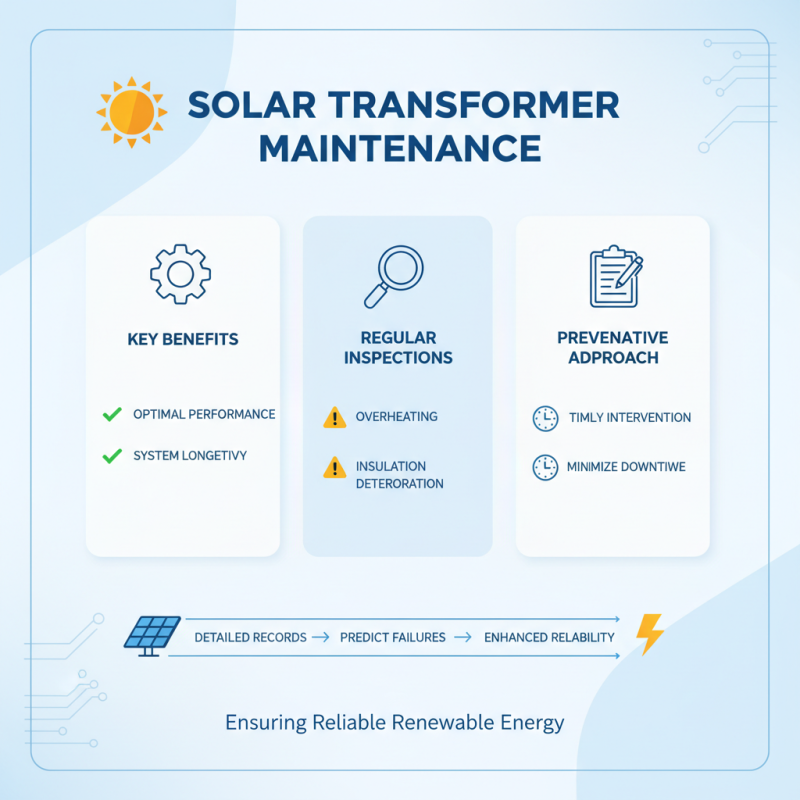
Maintenance of solar transformers in solar plants is crucial for ensuring the optimal performance and longevity of renewable energy systems. Regular inspections should be conducted to identify any signs of wear or damage, such as overheating or insulation deterioration. Keeping detailed maintenance records allows for timely interventions and helps in predicting potential failures before they occur. This preventative approach minimizes downtime and enhances the reliability of the solar power generation process.
Another critical aspect of solar transformer maintenance is the management of cooling systems. Solar transformers can operate in high-temperature environments, requiring effective heat dissipation methods to prevent overheating. Regular checks of coolant levels and the integrity of cooling systems are essential. Moreover, periodic testing of electrical parameters helps ensure that the transformers are functioning within their designated specifications, allowing operators to make informed decisions regarding any necessary repairs or upgrades to improve overall efficiency.
Future Trends in Solar Transformer Technology and Integration
As the demand for renewable energy systems continues to grow, the integration of advanced solar transformer technology becomes crucial. Future trends indicate a shift towards smart solar transformers that not only enhance efficiency but also improve the overall management of energy systems. These transformers are increasingly equipped with digital monitoring capabilities, allowing for real-time performance analysis and predictive maintenance. By harnessing data analytics, operators can optimize energy distribution and reduce downtime, resulting in more reliable solar energy generation.
Moreover, the evolution of materials used in transformer construction is paving the way for lighter, more efficient designs. Innovations in insulation and cooling technologies are expected to increase thermal efficiency and reduce energy losses. Additionally, the integration of energy storage solutions with solar transformers is gaining traction, enabling better energy management during peak and off-peak hours. As renewable energy sources become more decentralized, the role of solar transformers will be essential in facilitating seamless interconnectivity and grid stability, ensuring a sustainable energy future.
Top Benefits of Using Solar Transformers for Renewable Energy Systems
| Benefit |
Description |
Future Trends |
| Efficiency |
Solar transformers provide high efficiency for energy conversion, reducing waste. |
Increasing integration with smart grid technology. |
| Cost Savings |
Lower operational costs over time due to minimal maintenance requirements. |
Advancements in materials may reduce manufacturing costs. |
| Durability |
Designed to withstand harsh environmental conditions for extended life. |
Emergence of more resilient designs and materials. |
| Scalability |
Easily scalable to larger installations as renewable energy demand grows. |
Development of modular systems for rapid deployment. |
| Environmental Impact |
Reduction in carbon footprint and promotion of sustainable energy sources. |
Increased focus on ecological sustainability in design. |
Comparative Analysis: Solar Transformers vs. Conventional Transformers
When comparing solar transformers to conventional transformers, several key differences emerge that highlight the advantages of solar transformers within renewable energy systems. Solar transformers are specifically designed to handle the unique characteristics of solar power, including its variable generation due to changing sunlight conditions. This adaptability allows solar transformers to efficiently convert direct current from solar panels into alternating current suitable for the grid, ensuring optimal energy conversion and minimal losses.
In contrast, conventional transformers are primarily built for steady-state operations and may not be equipped to handle the fluctuations typically associated with solar energy systems. This can result in reduced efficiency and increased wear and tear on traditional transformers when used in conjunction with renewable sources. Additionally, solar transformers often incorporate features such as integrated protective measures and advanced monitoring capabilities, which enhance reliability and performance in the dynamic environment of renewable energy production. This makes them a more sustainable choice for modern energy infrastructures focused on incorporating clean energy sources.
Comprehensive Guide to Choosing the Right Pad Mounted Transformer for Your Electrical Needs
When selecting the right pad mounted transformer for your electrical needs, understanding the specifications and applications of available options is crucial. Pad mounted transformers are designed to cater to a wide range of voltage requirements, typically ranging from 2.5 to 34.5 kV. This breadth of voltage compatibility makes them suitable for various installations, whether in urban settings or rural environments. Their robust design ensures that they can perform efficiently in both outdoor and indoor applications, providing flexibility in deployment.
One of the important standards to consider when choosing a pad mounted transformer is IEEE C57.12.34, which outlines the performance and safety criteria necessary for reliable operation. Additionally, most models come with a standard two-year warranty, reflecting the manufacturer’s confidence in their durability and performance. This warranty period can provide peace of mind, knowing that the transformer will withstand the rigors of use in diverse climatic conditions. When evaluating your needs, take into account these specifications to ensure that you select the most suitable transformer for your electrical infrastructure.
FAQS
: Solar transformers are designed to step up or step down the voltage generated by solar panels, converting direct current (DC) into alternating current (AC) for efficient utilization and transmission.
They help manage output fluctuations caused by varying sunlight, ensuring a consistent energy supply that minimizes risks of power surges or outages.
Solar transformers stabilize voltage levels, manage power flow, and reduce losses, which is essential for maintaining a resilient electrical grid.
They help accommodate fluctuations in solar output due to weather conditions, maintaining the balance between energy supply and demand on the grid.
Future trends include the development of smart solar transformers with digital monitoring capabilities and improvements in materials leading to lighter, more efficient designs.
By incorporating energy storage solutions, they enable better management of electrical distribution during peak and off-peak hours.
Solar transformers facilitate seamless interconnectivity within decentralized renewable energy sources, which is crucial for ensuring a stable and sustainable energy future.
They feature protection mechanisms against over-voltage and short circuits, enhancing the safety of solar installations and the electrical grid.
Data analytics will allow operators to conduct real-time performance analysis and predictive maintenance, optimizing energy distribution and minimizing downtime.
The solar power generation capacity is expected to reach 3,000 GW by 2030, necessitating robust solar transformer infrastructure to manage this growth effectively.
Conclusion
Solar transformers play a pivotal role in renewable energy systems, particularly in solar energy applications. They are essential for efficient energy conversion, adapting the output from solar panels to match the grid requirements. By optimizing energy transfer, solar transformers significantly enhance the efficiency of solar power systems, contributing to better overall performance and energy savings.
In addition to boosting efficiency, solar transformers improve grid stability by enabling better integration of renewable energy sources into the existing power grid. Regular maintenance is crucial for ensuring their reliability and longevity in solar plants. As technology advances, future trends are likely to focus on integrating innovative features into solar transformers, further solidifying their role in the transition to sustainable energy solutions. A comparative analysis reveals that solar transformers offer distinct advantages over conventional transformers, particularly in terms of performance adapted to renewable energy contexts.