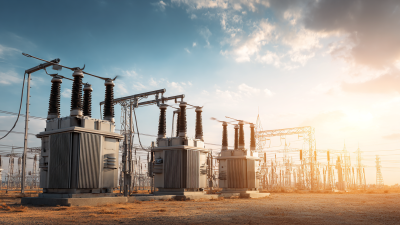
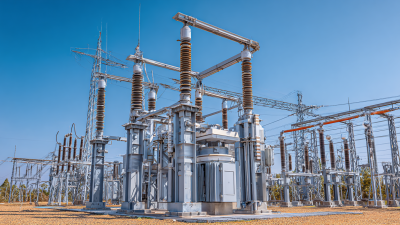
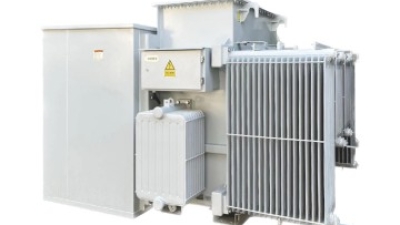
As the energy industry keeps evolving, there's honestly never been a bigger demand for really efficient and dependable power solutions. One key player in all this is the Oil Power Transformer — it’s super important when it comes to transmitting and distributing electricity. I read a recent report from MarketsandMarkets that says the global transformer market, including oil power transformers, is expected to hit about USD 25 billion by 2025. And it’s growing at a pretty steady pace of around 6.2% CAGR since 2020. This surge is mainly because of all the investments in smart grid tech and the growing need for more efficient ways to get power out there.
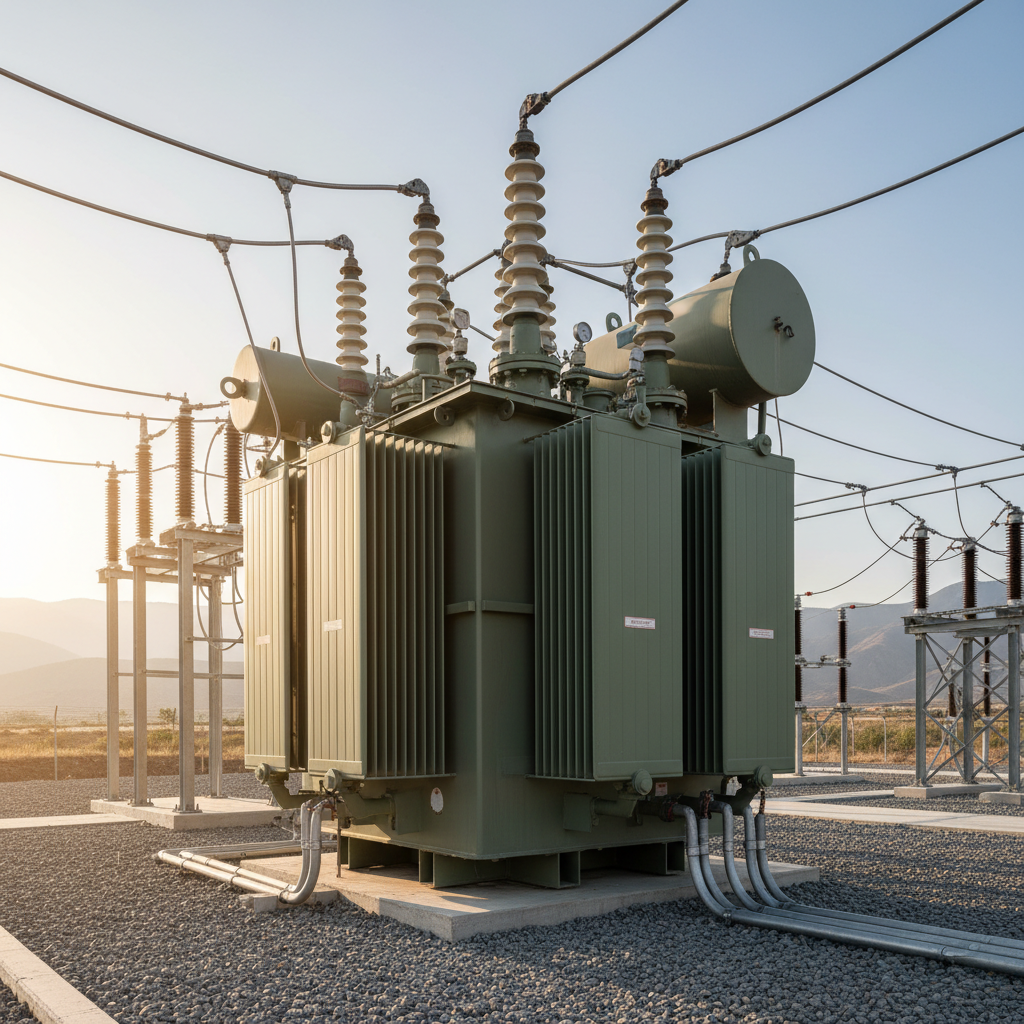
FARADY ELECTRIC CO., LTD. is really leading the charge in this space. They’ve got a massive production facility—over 35,000 square meters—and hold certifications from KEMA, ASTA, and UL, which is pretty impressive. Their focus is on making state-of-the-art power transformers, regulators, and switchgears. What’s cool is that they’re super committed to innovation, making sure their products aren’t just up to standards but actually help make operations smoother and more efficient. As we dive into the top 10 oil power transformers of 2023, it’s clear these cutting-edge solutions are playing a huge role in building reliable, sustainable power systems — and FARADY is definitely a big player in that game.
Understanding Oil Power Transformers and Their Importance in Energy Efficiency
Oil power transformers play a crucial role in the transmission and distribution of electrical energy. Their primary function is to transform voltage levels, enabling efficient power flow across long distances. In today's energy landscape, where efficiency is paramount, understanding the significance of oil transformers is essential. These transformers not only reduce energy loss during transmission but also enhance the stability and reliability of electrical systems.
When selecting an oil power transformer, consider its efficiency ratings and insulation properties. High-quality oil serves as both a coolant and an insulator, which minimizes the risk of overheating and electrical failures. Additionally, ensure that the transformer meets industry standards and is designed for optimal performance in your operational context.
Tips for Optimal Efficiency:
- Regular maintenance is key; schedule routine inspections to check for oil quality and leaks.
- Monitor load conditions to ensure the transformer operates within its rated capacity for improved longevity and performance.
- Invest in modern monitoring technology that can provide real-time data, helping to preemptively address any potential issues before they escalate.
Key Features of High-Performance Oil Power Transformers to Look For
When selecting high-performance oil power transformers, several key features are essential to ensure optimal efficiency and reliability. One of the most critical aspects is the transformer's design, which should prioritize minimizing losses. According to the IEEE Power and Energy Society, transformers account for approximately 20-25% of electrical energy losses in power systems. Thus, modern oil transformers utilize materials with lower core losses and optimized winding configurations to achieve efficiency ratings of over 99%.
Additionally, insulation and cooling systems play a pivotal role in the performance of oil power transformers. A well-designed transformer should incorporate high-quality insulating oil that not only provides excellent dielectric strength but also facilitates effective heat dissipation. Recent studies have shown that the use of advanced insulating materials can extend the operational life of transformers by up to 30%, significantly reducing maintenance costs. Moreover, temperature rise and thermal management are critical; transformers with superior cooling designs, such as enhanced radiators or tank designs, can operate more efficiently under peak load conditions, ensuring longevity and reduced downtime.
10 Best Oil Power Transformers for Optimal Efficiency in 2023
| Model |
Power Rating (MVA) |
Efficiency (%) |
Voltage Ratio (kV) |
Cooling Type |
Weight (kg) |
| Model A |
150 |
98.5 |
230/115 |
Oil-immersed |
1800 |
| Model B |
100 |
97.8 |
132/66 |
Dry Type |
950 |
| Model C |
75 |
96.5 |
66/33 |
Oil-immersed |
600 |
| Model D |
200 |
99.0 |
400/230 |
Forced Oil |
2500 |
| Model E |
50 |
95.0 |
11/0.4 |
Oil-immersed |
300 |
Top 10 Oil Power Transformers: Ratings, Specifications, and Performance
When evaluating the top 10 oil power transformers for optimal efficiency in 2023, it is essential to consider several key factors, including ratings, specifications, and overall performance. Each transformer is designed to meet specific operational demands, ensuring that users benefit from both reliability and efficiency. High-temperature ratings and robust insulation materials are vital for minimizing losses and extending the lifespan of these units. Key specifications such as voltage levels, wattage, and harmonic distortion play a critical role in determining the suitability of each transformer for various applications.
Performance metrics are equally crucial when selecting the best oil power transformers. Assessing factors like energy efficiency, load capacity, and maintenance requirements can significantly impact operational costs and sustainability. Transformers that combine superior cooling systems with advanced monitoring capabilities typically deliver better performance under varying load conditions. Additionally, the integration of innovative designs, such as low-noise and compact configurations, enhances their appeal for both industrial and commercial uses, leading to increased adoption across diverse sectors.
Comparative Analysis of Oil Power Transformers for Diverse Applications
The comparative analysis of oil power transformers emphasizes the critical role they play across diverse applications in power networks. With the Transformer Insulation Market projected to reach USD 9.68 billion by 2030, it is evident that the demand for efficient transformer solutions is growing. This trend is driven not only by the necessity for reliable energy delivery but also by the increasing need for advanced insulating materials that enhance operational performance and longevity. Particularly, innovations such as nanoparticle-enhanced natural ester oils demonstrate potential as biodegradable liquid dielectrics, offering both environmental benefits and superior insulating qualities compared to traditional mineral oils.
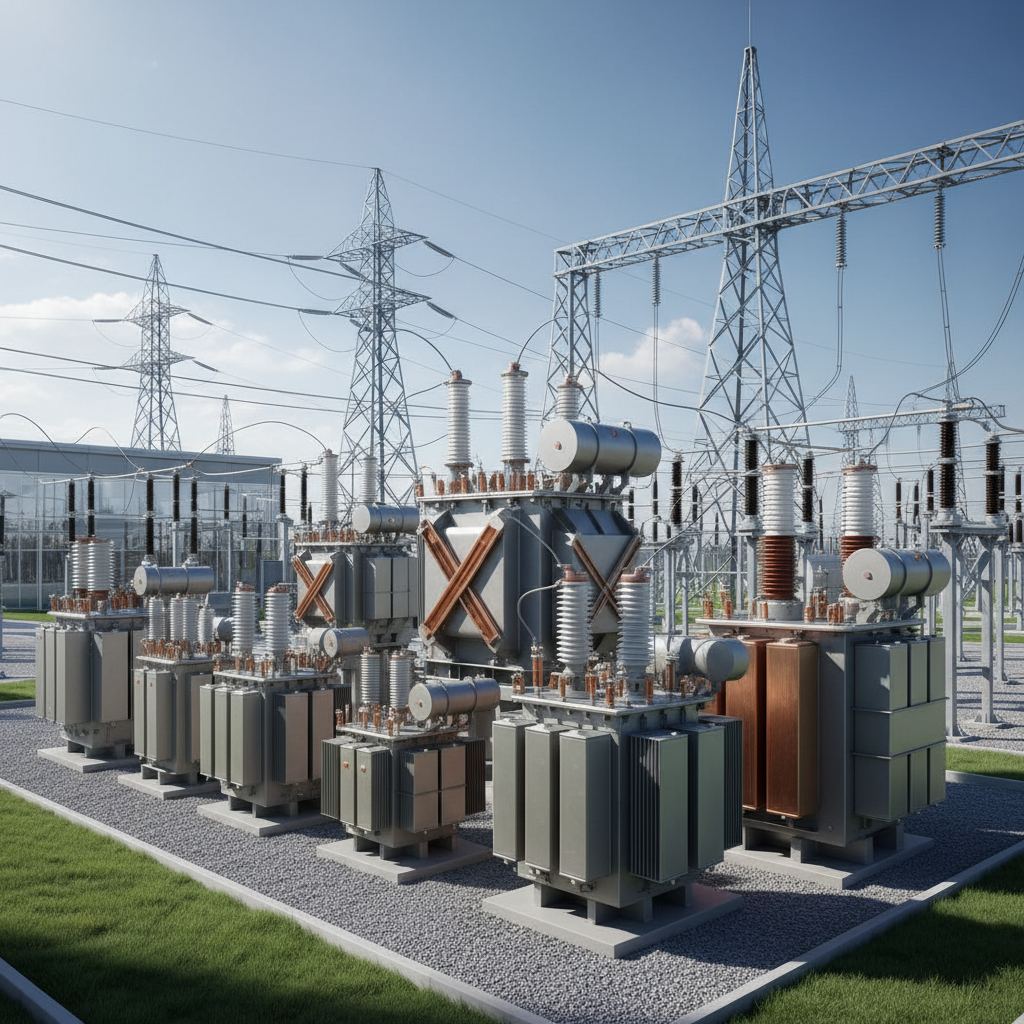
In addition to innovations in materials, predictive technologies such as XGBoost and LightGBM models for assessing insulating paper states are becoming increasingly significant. These tools can help foresee malfunctions by enabling proactive maintenance and monitoring, addressing a primary cause of transformer failures. Furthermore, a global analysis forecasted for the Medium Voltage Transformer Market to reach USD 21.7 billion by 2035 indicates a robust growth trajectory, punctuated by a compound annual growth rate (CAGR) of 4.2%. This underscores the critical importance of continuously evolving transformer technologies to meet the demands of modern electrical grids and to ensure operational efficiency across various applications.
Best Practices for Maintenance and Longevity of Oil Power Transformers
When it comes to ensuring the longevity and performance of oil power transformers, following best maintenance practices is essential. Regular inspections and testing can significantly enhance transformer reliability. According to the IEEE (Institute of Electrical and Electronics Engineers), 85% of transformer failures can be traced back to inadequate maintenance. Therefore, routine checks of insulation resistance, oil quality, and temperature control can prevent costly downtimes and enhance operational efficiency.
Moreover, the quality of transformer oil plays a crucial role in heat dissipation and insulation. Implementing periodic oil analysis helps detect potential issues early on. A report from the Electric Power Research Institute (EPRI) indicates that transformers with proactive oil management show a 30% improvement in lifespan compared to those with neglectful maintenance. Additionally, ensuring that cooling systems are functioning optimally can mitigate overheating—one of the leading causes of transformer failure. By adhering to these practices, operators can maximize the efficiency and longevity of their oil power transformers, contributing to overall grid stability.
Oil Power Transformers Efficiency Ratings in 2023
This chart displays the efficiency ratings of the top oil power transformers for 2023, highlighting the performance that can be expected from each model. The efficiency is crucial for maintaining optimal performance and ensuring longevity in operation.
Emerging Technologies in Oil Power Transformers for Enhanced Efficiency in 2023
Emerging technologies in oil power transformers have made significant strides towards enhancing efficiency in 2023. One of the standout advancements has been the integration of advanced insulation materials, which allow for better thermal management and reduced energy losses. By using high-performance insulating fluids and solid materials, manufacturers can create transformers that not only operate more efficiently but also have longer lifespans, making them more cost-effective over time.
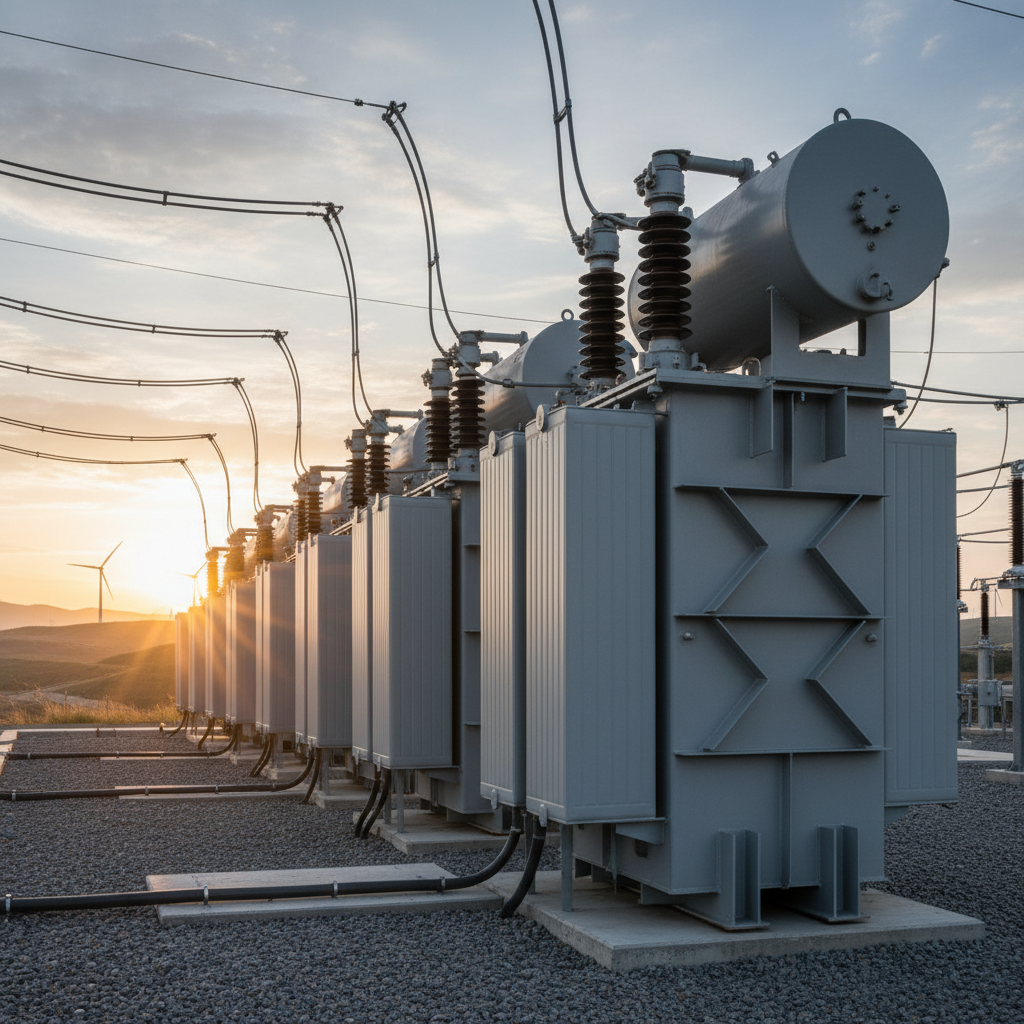
Another key development is the incorporation of digital monitoring systems. These systems utilize Internet of Things (IoT) technology to provide real-time data on the transformer's operational status, temperature, and potential failure points. With predictive maintenance alerts, utilities can perform timely interventions and minimize downtime, thereby ensuring a more reliable power supply. Additionally, innovations in design, such as the use of lower-loss core materials and optimized windings, further contribute to the operational efficiency of oil power transformers, positioning them as crucial components in the evolving energy landscape.
Maximizing Efficiency with Solar Step-Up Low Loss Power Transformers: A Comprehensive Guide to Renewable Energy Solutions
Maximizing efficiency in solar power systems is crucial for harnessing renewable energy effectively, and solar step-up low loss power transformers play a vital role in this process. These transformers, specifically designed to accommodate rated voltages from 2.5 to 34.5 kV, ensure minimal energy losses during power conversion. According to various industry reports, such as the International Energy Agency (IEA) reports, improving energy efficiency in power transmission can reduce operational costs by up to 15%, making the selection of high-performance transformers essential in solar energy projects.
Manufactured under the IEC 60076-1 standard, these transformers are engineered for both outdoor and indoor applications, providing versatility and reliability in energy generation setups. With a warranty period of two years, they represent a robust investment for solar energy producers. As the global push for renewable energy continues to gain momentum, leveraging advanced technologies like these transformers is key to maximizing the output of solar installations. The renewable energy sector's growth, projected at a compound annual growth rate of 8.4% through 2030, highlights the increasing importance of utilizing efficient power management solutions in solar applications.
FAQS
: The primary function of oil power transformers is to transform voltage levels, enabling efficient power flow across long distances.
Oil power transformers are important because they reduce energy loss during transmission and enhance the stability and reliability of electrical systems.
When selecting an oil power transformer, consider its efficiency ratings and insulation properties, as well as ensure it meets industry standards for optimal performance.
Regular maintenance, including routine inspections for oil quality and leaks, helps maintain efficiency, prevent overheating, and reduce the risk of electrical failures.
Advanced insulation materials improve thermal management and reduce energy losses, allowing transformers to operate more efficiently and have longer lifespans.
Digital monitoring systems provide real-time data on operational status, temperature, and potential failures, enabling utilities to perform timely interventions and minimize downtime.
Innovations such as lower-loss core materials and optimized windings contribute to improved operational efficiency in oil power transformers.
High-quality oil serves as both a coolant and an insulator, which minimizes the risk of overheating and electrical failures, enhancing the transformer's performance.
Monitoring load conditions ensures that the transformer operates within its rated capacity, which can improve its longevity and overall performance.
Emerging technologies include advanced insulation materials, digital monitoring systems utilizing IoT technology, and innovations in transformer design to enhance efficiency.
Conclusion
In 2023, the significance of Oil Power Transformers in enhancing energy efficiency cannot be overstated. These transformers play a crucial role in electrical distribution systems, and understanding their features is essential for choosing the right equipment. High-performance Oil Power Transformers are characterized by their reliability, durability, and efficiency. In our comparative analysis, we highlight the top 10 models, providing detailed ratings, specifications, and performance metrics to aid in informed decision-making.
Furthermore, maintaining Oil Power Transformers is vital for longevity and optimal performance; implementing best practices can significantly reduce downtime. With emerging technologies on the horizon, the landscape of Oil Power Transformers is evolving to meet increased efficiency demands. Companies like FARADY ELECTRIC CO., LTD., with their commitment to technological innovation and comprehensive certifications, are at the forefront of this transformation, ensuring that customers have access to state-of-the-art solutions for their energy needs.