When it comes to distributing power, making sure everything runs smoothly and efficiently is a big deal. One piece of equipment that really helps with that is the Auto Recloser. Basically, it's this smart electrical device that can automatically reset itself after a brief outage—so you don’t have to jump in right away, which cuts down on downtime and keeps the system running better overall. As more people expect a steady, uninterrupted power supply, choosing the right Auto Recloser becomes more and more important for utility folks and engineers alike.
Now, picking out the perfect Auto Recloser for your specific setup isn’t just a shot in the dark. You gotta consider things like voltage levels, where the device will be used, and how quickly it needs to respond when something goes wrong. Different scenarios need different specs, so getting it right is key to keeping your system reliable and your customers happy. By understanding what features to look for and how these devices work, you can make smarter choices that fit your power distribution plans.
In this guide, we’ll walk through what to keep in mind when choosing an Auto Recloser. We’ll cover the different types out there and how they can be customized to handle the unique demands of today’s power networks. With some solid insights and practical tips, our goal is to help you make informed decisions to boost both the reliability and efficiency of your electrical systems.
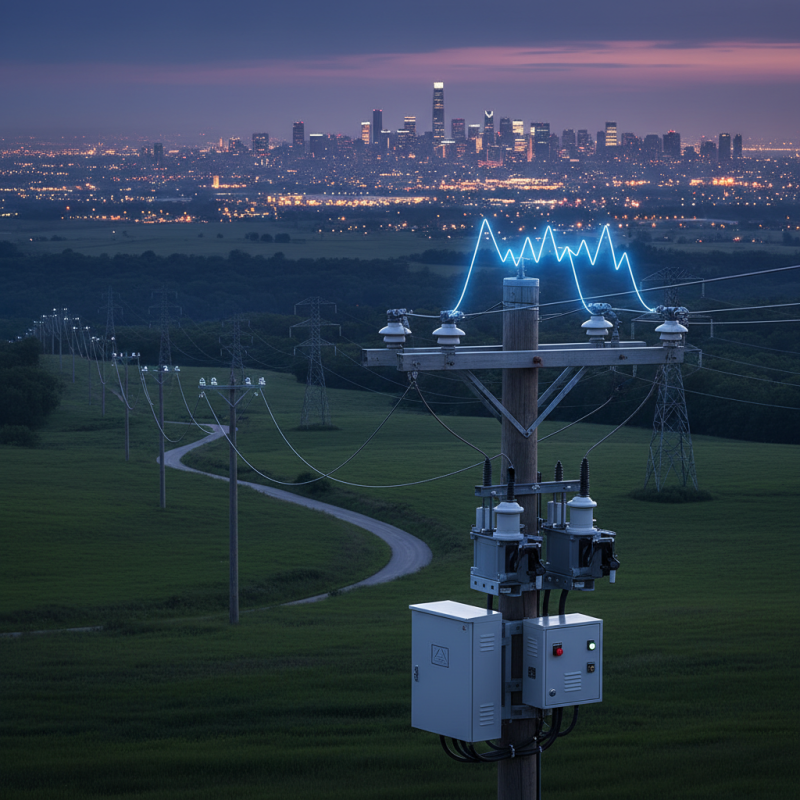
Auto reclosers play a crucial role in modern power distribution systems by enhancing reliability and minimizing outages caused by transient faults. These devices automatically monitor electrical currents and can detect disruptions in service. When a fault occurs, such as a momentary short circuit, the auto recloser interrupts the flow of electricity and temporarily disconnects the affected line. After a brief waiting period, it automatically attempts to restore power by re-energizing the line, significantly reducing the downtime usually associated with outages.
Understanding the functionality of auto reclosers is essential for selecting the right one for your specific power distribution needs. Different models may offer varying characteristics, such as the number of reclose attempts, timing intervals, and fault condition responses. By comprehending these features, operators can align the device's capabilities with their grid's requirements. Additionally, factors like system voltage, fault current levels, and environmental conditions must be considered, as they influence the recloser's effectiveness and lifespan. This thorough understanding ensures that the right auto recloser is chosen, optimizing both performance and reliability in power distribution systems.
| Parameter | Description | Importance Level |
|---|---|---|
| Voltage Rating | Select based on power distribution voltage levels. | Critical |
| Interrupting Capacity | The maximum fault current the recloser can interrupt. | High |
| Operating Mechanism | Automatic, manual, or remote operations available. | Medium |
| Type of Protection | Overcurrent, ground fault, or voltage protection. | High |
| Reclosing Sequence | Configuration of attempts to restore power after a fault. | Medium |
| Physical Size and Mounting | Consider space and installation type (pole, padmount). | Medium |
When assessing your power distribution system requirements, it's crucial to start by analyzing the specific needs of your infrastructure. Factors such as load capacity, operational environment, and the frequency of outages all play significant roles in determining the right auto recloser. According to a report by the Electric Power Research Institute, over 70% of power interruptions are short-lived, emphasizing the importance of selecting a recloser that can effectively detect and clear transient faults while minimizing downtime.
One key tip is to evaluate the voltage level and fault current ratings of your system. Most modern auto reclosers are designed to accommodate a range of voltage levels, but ensuring compatibility with your existing distribution network is vital. Additionally, you should consider the recloser's coordination with your protection scheme; proper settings can prevent unnecessary outages and improve system resilience.
Another important aspect to consider is the communication capabilities of the auto recloser. Integrated communication technologies enable real-time monitoring and remote operation, which can significantly streamline the management of your distribution network. A study from the Institute of Electrical and Electronics Engineers highlights that utilities adopting smart technologies can experience a reduction in outage durations by nearly 25%. Choosing an auto recloser with advanced features can enhance operational efficiency and reliability in today's evolving power distribution landscape.
When evaluating different types of auto reclosers for your power distribution needs, it's essential to consider their operational characteristics and the specific conditions they will face in your system. Auto reclosers are designed to temporarily interrupt power during fault conditions, automatically closing again after a set period. The primary types to consider include electro-mechanical, solid-state, and digital reclosers, each offering unique benefits based on their design and application. For example, electro-mechanical reclosers are known for their reliability and robustness in harsh environments, while solid-state models provide advanced functionality and faster response times.
Another critical aspect of evaluation is the voltage and current ratings of the reclosers. It's crucial to select a model that matches the voltage level of your distribution system and can handle the maximum fault current anticipated. Additionally, assessing the recloser’s ability to provide coordination with other protective devices ensures system reliability and minimizes operational disruptions. Furthermore, features such as the number of reclosure attempts and timing settings can be tailored to fit specific regional regulations or operational goals. By carefully considering these factors during the selection process, you can enhance system resilience and improve overall power distribution performance.
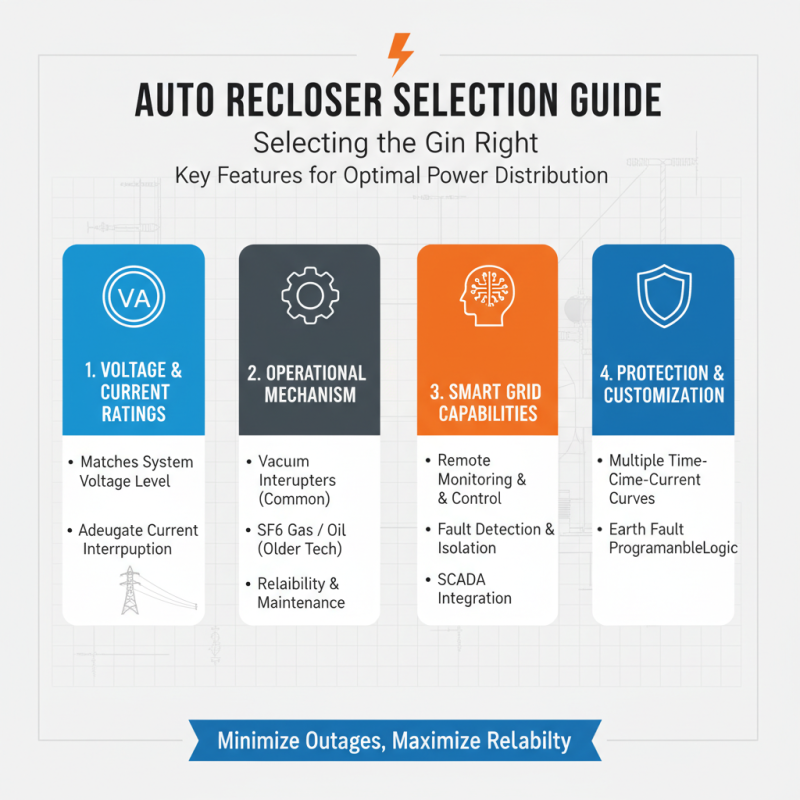
When selecting the right auto recloser for your power distribution needs, several key features must be considered to ensure optimal performance and reliability. Firstly, the operational voltage and current ratings are paramount. It’s crucial to choose a recloser that can handle the specific voltage level of your distribution system while providing adequate current interruption capabilities. This ensures that the device can effectively manage transient faults and minimize power outages.
Another important aspect to consider is the tripping and reclosing characteristics. Different applications may require varying response times and reclosing attempts. Understanding the operational environment and typical fault conditions helps in configuring the recloser to provide maximum efficiency. Additionally, the integration of advanced technologies, such as remote monitoring and control features, can enhance operational capabilities and provide real-time data for more informed decision-making.
Lastly, the environmental durability of the auto recloser is essential. Factors such as temperature fluctuations, humidity, and exposure to corrosive elements should influence your choice. A model designed with robust materials and protective measures can significantly extend the lifespan of the device and reduce long-term maintenance costs. Always ensure that the selected auto recloser aligns with both the technical requirements and the surrounding operational environment for optimal performance.
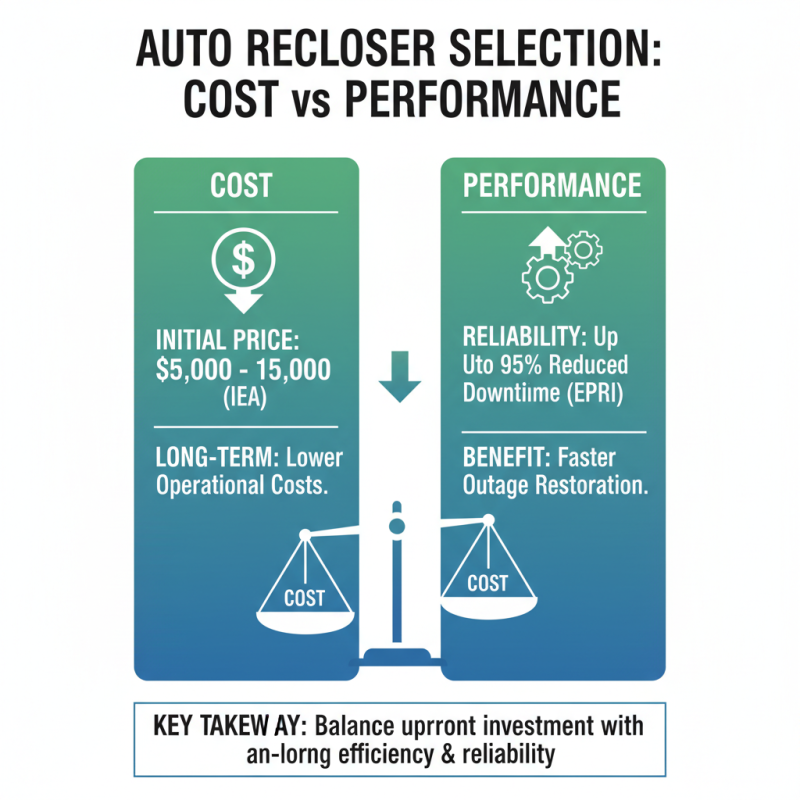
When selecting an auto recloser for power distribution, it’s crucial to analyze the balance between cost and performance. According to the International Energy Agency, the typical cost of an auto recloser can range from $5,000 to $15,000, depending on specifications and features. However, the initial price tag is only part of the equation; operational efficiency and reliability are equally important. A study by the Electric Power Research Institute indicates that auto reclosers can enhance outage restoration times significantly, reducing downtime by up to 95%, which can ultimately lead to lower operational costs in the long term.
Furthermore, understanding the specific needs of your distribution network is essential. An efficient auto recloser not only minimizes the impact of transient faults but also contributes to overall system stability. A report by the Institute of Electrical and Electronics Engineers states that systems equipped with advanced auto reclosers experience a reduction in maintenance costs by about 20%, as these devices can diagnose issues and prevent unnecessary power interruptions. Therefore, while weighing the cost against performance, it’s vital to consider how these devices can improve reliability and reduce long-term expenses, making them a worthwhile investment in your power distribution strategy.
When selecting an auto recloser for power distribution, installation and maintenance considerations play a crucial role in ensuring the reliability and efficiency of the equipment. The installation process requires careful planning, including site assessments to evaluate environmental factors such as weather conditions, potential wildlife interaction, and terrain characteristics. Proper placement is essential to facilitate easy access for maintenance while minimizing risks from external elements. Additionally, understanding the specific electrical requirements, such as voltage ratings and fault current levels, will help in the selection of the appropriate model that meets the operational demands of the distribution system.
Maintenance is equally important for the longevity and performance of auto reclosers. Establishing a regular inspection schedule can help identify potential wear and tear or components that may need replacement. During maintenance activities, technicians should focus on examining mechanical and electrical parts, ensuring that all connections are secure and that insulation is intact. Keeping the recloser clean and free from debris will also enhance its performance and prevent operational failures. Training personnel on troubleshooting procedures and proper handling techniques will further support effective maintenance practices, ultimately leading to improved system performance and reliability in power distribution.
When selecting an auto recloser for power distribution, understanding regulatory standards and compliance is crucial. Auto reclosers must meet specific national and local regulations to ensure safety, reliability, and environmental protection. These regulations typically dictate aspects such as operational thresholds, reclosure times, and equipment durability under various environmental conditions. Compliance with standards set forth by organizations such as the Institute of Electrical and Electronics Engineers (IEEE) and the International Electrotechnical Commission (IEC) can help power utilities maintain systems that are both efficient and safe.
Moreover, adherence to regulatory guidelines not only supports operational integrity but also aids in minimizing liability and enhancing public trust. Utilities must conduct thorough assessments of the recloser’s design, performance specifications, and installation procedures to ensure they align with these established standards. Regular audits and certifications are often required, ensuring the equipment remains compliant throughout its lifecycle. By prioritizing these standards, power distribution companies can promote a resilient network that withstands faults while minimizing disruptions to service.
: Auto reclosers temporarily interrupt power during fault conditions and automatically close after a set period. They are important for enhancing system reliability and minimizing operational disruptions in power distribution.
The primary types include electro-mechanical, solid-state, and digital reclosers. Each type offers unique benefits tailored to specific applications and environmental conditions.
It is crucial to select an auto recloser that matches the voltage level of your distribution system and can handle the maximum anticipated fault current to ensure optimal performance.
Consider the number of reclosure attempts, timing settings, and the recloser's ability to coordinate with other protective devices to meet specific operational goals and regional regulations.
While auto reclosers may have an initial cost ranging from $5,000 to $15,000, they can significantly reduce downtime and maintenance costs, enhancing reliability and operational efficiency in the long term.
Auto reclosers can reduce outage restoration times by up to 95%, which greatly minimizes the impact of power interruptions on the distribution network.
Efficient auto reclosers help minimize the impact of transient faults and contribute to overall system stability by diagnosing issues and preventing unnecessary power interruptions.
Long-term benefits include improved reliability, reduced maintenance costs by about 20%, and lower operational expenses, making auto reclosers a valuable investment in power distribution strategy.
Advanced features enhance the functionality and responsiveness of auto reclosers, leading to better fault handling and improved coordination with other protective devices within the system.
Evaluate initial costs alongside expected improvements in reliability, reduced downtime, and lower long-term maintenance and operational expenses to determine the cost-effectiveness of auto reclosers.
When choosing the right auto recloser for your power distribution needs, it's essential to understand its functionality and how it fits into your overall power distribution system. Assessing the specific requirements of your system is critical, as different types of auto reclosers offer varying features and performance levels. Key factors to consider include the operational environment, fault detection capabilities, and the ease of integration with existing infrastructure.
Additionally, you must analyze the cost versus performance of auto reclosers to ensure that you make an informed decision that balances efficiency with budget constraints. Installation and maintenance considerations are also vital for optimal performance over time, as is compliance with regulatory standards. By following these guidelines, you can effectively select an auto recloser that meets your operational needs while ensuring reliability and safety in your power distribution network.