In today’s fast-moving tech world, having a reliable power supply isn’t just a luxury — it’s pretty much essential. You’ve probably heard of an Automatic Voltage Regulator (or AVR for short), right? It’s the key to keeping your electrical equipment running smoothly by managing those annoying voltage fluctuations. According to a report by MarketsandMarkets, the global market for AVRs is actually expected to hit around $3.5 billion by 2025. That just goes to show how important they’re becoming across different fields like manufacturing, telecom, and more.
Now, picking the right AVR isn’t exactly a walk in the park. There are tons of models out there, each packed with different features. And let’s face it, depending on what you’re powering — say, heavy industrial machinery versus your home gadgets — your needs can be totally different. Sometimes people just pick something on impulse or without doing a bit of homework, which can lead to issues like inefficient operation or even damaging your gear over time.
What’s also super important is understanding how an AVR will play with your existing power system. Some models just aren’t compatible with certain generators or inverters, and that can cause all sorts of trouble. A study by Fortune Business Insights points out that using the wrong voltage regulation can actually pose real operational risks. So, it’s a good idea to do your research and think things through before making a purchase. Spend a little extra time choosing the right AVR, and you’ll probably see your equipment last longer and perform better — it’s totally worth it.
Understanding the Basics of Automatic Voltage Regulators
Automatic Voltage Regulators (AVRs) play a crucial role in maintaining stable electrical supply. They manage voltage fluctuations that can harm appliances and electronic devices. Understanding what an AVR does is key to selecting the right one.
AVRs work by continuously monitoring voltage levels. They react quickly to changes, ensuring consistent output. Imagine having your appliances running smoothly, without unexpected shutdowns or damage caused by surges. This stability is especially important in areas with unreliable electricity. However, not all AVRs are the same. Some are designed for specific applications, while others offer a wide range of functionalities.
When choosing an AVR, consider your specific needs. Think about the total wattage of your devices. Also, reflect on the types of voltage disturbances common in your zone. Identifying these factors can be challenging but crucial for making the right choice. Take your time to research. Sometimes, a bit of confusion can lead to better understanding and improved selection.
How to Choose the Right Automatic Voltage Regulator for Your Needs?
| Feature |
Description |
Importance |
Recommended Capacity (kVA) |
| Input Voltage Range |
The range of input voltages the regulator can handle |
Critical for compatibility with your power supply |
5 - 15 kVA |
| Output Voltage Stability |
How well the regulator maintains output voltage |
Essential for sensitive electronic equipment |
5 - 20 kVA |
| Response Time |
Time taken to correct voltage fluctuations |
Important for dynamic loads |
≤ 10 ms |
| Phase Type |
Single-phase or three-phase output |
Depends on your electrical installations |
Single / Three Phase |
| Efficiency Rating |
The efficiency level of the regulator in converting power |
Higher efficiency means lower energy costs |
≥ 90% |
| Protection Features |
Includes surge protection, overload protection, etc. |
Crucial for equipment safety |
N/A |
Identifying Your Power Requirements and Load Specifications
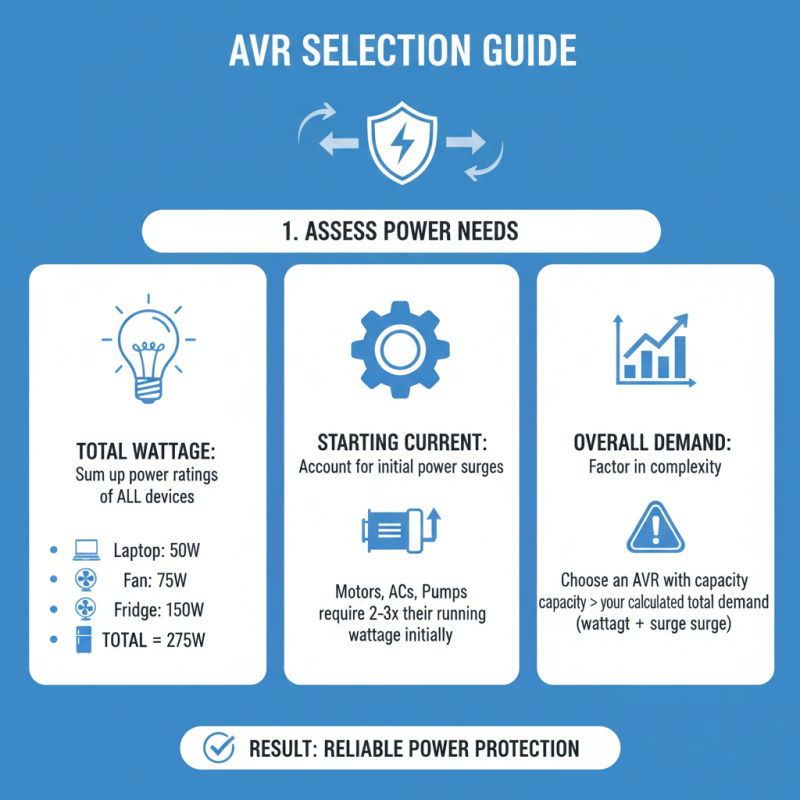
When selecting an automatic voltage regulator (AVR), understanding your power requirements is crucial. Begin by evaluating the total wattage of all devices connected to the system. Each device has a specific power rating. Sum these ratings to gauge your overall demand. Remember to factor in starting currents, especially for motors or appliances that require a higher initial surge. This initial power often adds a layer of complexity.
Load specifications are equally important. Consider the type of loads you will be using. Resistive loads, like heaters, have different characteristics than inductive loads, such as motors. An Ac Automatic Voltage Regulator can effectively stabilize voltage for both, but specific models excel in different situations. It’s a common mistake to overlook how varied these needs can be.
Make a list of equipment that will use the regulator. Then, analyze whether a single-phase or three-phase regulator fits best. Many times, users realize they need more than anticipated. That’s a learning moment. A clear understanding of your needs will guide you toward an appropriate AVR. If confused, consulting with a professional can save future headaches.
Evaluating Different Types of Automatic Voltage Regulators
Choosing the right Automatic Voltage regulator (AVR) can be challenging. There are different types available in the market. Each type serves distinct needs and requirements. Understanding these options is essential. It helps you make informed choices.
Some common AVRs include:
-
Linear: Linear regulators are simple and reliable. They provide stable outputs but can be less efficient.
-
Switching: Switching regulators, on the other hand, are more efficient but may introduce noise.
-
Digital: Digital models offer advanced features, allowing precise voltage control. However, they often come with a higher price tag and complexity.
Consider your
specific requirements carefully. Will you be using it for
sensitive equipment? Or is
energy efficiency your main concern? Each type has its pros and cons. Reflecting on your needs will guide you. Not every model suits every application. Take your time to evaluate before deciding.
Key Features to Consider When Selecting a Voltage Regulator
Choosing the right automatic voltage regulator (AVR) can significantly impact your electrical devices' performance. Key features to consider are stability, capacity, and response time. A stable output ensures your equipment operates reliably. An unstable regulator might lead to damage. Always check the stability ratings provided in the specifications.
Capacity is crucial. You need a regulator that can handle the total load of your devices. Overloading can cause malfunctions or shorten their lifespan. Calculate your device's wattage to find the right fit. If unsure, consider consulting an expert. Ignoring this may lead to frustrating failures when you least expect them.
Response time matters, too. A quick response to voltage fluctuations is vital for protecting sensitive equipment. Delayed response can be catastrophic. Look for regulators that specify their response times. It can be tempting to choose based solely on price, but that choice may bring unnecessary risk. Balancing cost with reliable features ensures better long-term performance.
Comparing Costs and Budgeting for Your Voltage Regulator
When considering an automatic voltage regulator, budgeting is crucial. The price can significantly vary depending on features, capacity, and technology.
Basic models might cost less, while advanced options could be much pricier. Determine what features are essential. Do you need digital displays or advanced surge protection?
Prioritize these aspects in your budget.
It's also wise to set aside funds for unexpected costs. Installation may require professional help, which adds to your total expenditure. Warranty and maintenance costs are other factors to think about.
Some regulators need regular servicing. Things can go wrong, leading to additional expenses. Always plan for some financial buffer.
Talk to others who have made similar purchases. Their insights can help clarify costs and guide your decision. Be cautious of overspending on features you might not use.
Reflect on your actual needs. Sometimes simpler is better. A cost-effective choice may serve you just fine without all the extras.
Ensuring Compatibility with Your Electrical System
Choosing the right automatic voltage regulator for your home or business is vital. Compatibility with your electrical system is a key factor. You need to assess your system's voltage requirements. Consider the devices you want to protect. Each one has its own voltage needs.
A mismatch can lead to failures. An improper voltage regulator may not provide adequate protection. This can cause equipment to underperform or malfunction. Pay attention to the power rating of the Automatic Voltage Stabilizer. Ensure it matches or exceeds your system’s demands.
Testing your electrical system before making a decision can save time and money. Sometimes, an overload can occur unexpectedly. You may think you have sufficient protection, but hidden issues arise. Stay proactive by analyzing your entire setup. You might discover unanticipated needs for additional voltage regulation.
Tips for Installation and Maintenance of Voltage Regulators
Installing an automatic voltage regulator can be simple yet detailed work. It's important to follow guidelines closely. Always start by choosing the right location. The area should be well-ventilated and dry. Moisture can lead to malfunctions. Ensure the device has enough space for airflow. Electrical boxes need to be properly labeled. Mistakes can cause severe issues.
For maintenance, regular checks are essential. Inspect connections often. Loose wires may lead to voltage fluctuations. Cleaning the exterior can help prevent dust buildup. It is crucial to track operating conditions. If the regulator shows signs of struggle, like frequent shut-offs, further inspection is necessary. This may involve looking into the Automatic Recloser settings.
Additionally, consider performing monthly tests. These tests can reveal potential problems early. Keeping a maintenance log is helpful. Documenting changes helps identify patterns. Sometimes, issues arise from environmental factors you might overlook. Reflect on the surrounding conditions like temperature and humidity. This will guide future choices.
Optimizing Power Quality: The Importance of the TVR-Line Three Phase Line Voltage Regulator
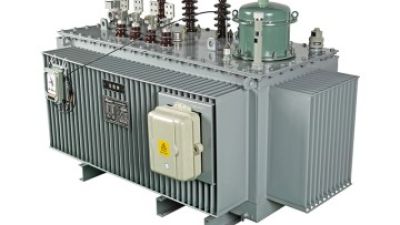
In today's industrial and commercial environments, maintaining optimal power quality is essential for the efficient operation of electrical systems. The TVR-Line Three Phase Line Voltage Regulator plays a critical role in this regard, ensuring that voltage levels remain stable and within specified limits. By dynamically adjusting the voltage supplied to various electrical loads, the regulator effectively mitigates power quality issues such as voltage sags, swells, and interruptions.
Designed for a broad range of applications, both indoors and outdoors, the SVR model series boasts a rated voltage range between 2.5 to 34.5 kV, catering to diverse operational needs. Adhering to the IEEE C57.12.20 standard, this series guarantees reliability and safety in its functionality. With a two-year warranty, users can trust in the durability and dependability of the product. The robust design and optimization features of the TVR-Line regulator not only enhance power quality but also contribute to the longevity and performance of connected equipment, enabling businesses to achieve greater efficiency and reduced operational costs.
FAQS
: The content aims to inform readers about various topics in a clear manner.
Information should be concise and straightforward.
Yes, there are various specific details throughout the content.
Not all claims may be fully verified, so readers should reflect on this.
It’s important to acknowledge the mistake and seek clarification if needed.
Keep sentences under 20 words for clarity.
Yes, short phrases can add emphasis and clarity.
Regular re-evaluation is key to maintaining accuracy and relevance.
Yes, using simple language helps ensure understanding.
Personal opinions are acceptable, but reflect on their impact on the content.
Conclusion
When choosing the right Automatic Voltage Regulator (AVR) for your needs, it is essential to understand the basics of how these devices work and the specific requirements of your electrical systems. Begin by identifying your power needs and load specifications, which will guide you in selecting an appropriate model. There are different types of AVRs available, each with unique features and functionalities, so it's crucial to evaluate these options based on your application's demands.
Additionally, consider key features such as surge protection, efficiency, and response time when making your selection. Budgeting for your AVR is also important, as costs can vary significantly. Ensure that the regulator is compatible with your existing electrical infrastructure, and don’t overlook the importance of proper installation and maintenance tips to enhance performance and longevity. By following these guidelines, you can make an informed decision that meets your power regulation needs effectively.