Leave Your Message
In the fast-changing world of electrical manufacturing, picking the right Three Phase Voltage Regulator is pretty crucial if you want your power systems to stay stable and efficient. With more demand for reliable electricity, the market for these regulators has been growing steadily—it's looking at around 6% growth over the next few years, which is pretty promising for this tech. Industry expert Dr. John Smith even says, “Choosing the right voltage regulator can seriously cut down your operating costs and help your equipment last longer.”
One company that really gets what’s involved here is FARADY ELECTRIC CO., LTD. They’re a big name in making power transformers, regulators, and switchgear. With over 35,000 square meters of production space and certifications like KEMA, ASTA, and UL, FARADY keeps pushing the envelope with new tech in electrical engineering. Their focus on quality and performance makes them a trusted partner for businesses looking to optimize their power setups with the right voltage regulation solutions.
When it comes to making the choice, you’ve got to think about things like load capacity, voltage stability, and how well the equipment can adapt to different environments. By tapping into solid market insights and expert advice, organizations can pick the perfect Three Phase Voltage Regulator tailored just for their specific needs—leading to better efficiency and a more resilient power system overall.
Three phase voltage regulators play a crucial role in maintaining consistent voltage levels across three-phase electrical systems. These devices are designed to handle fluctuations in voltage that can occur due to varying loads or external disturbances. Understanding the functionality of three phase voltage regulators is essential for selecting the right one for your applications. They work by automatically adjusting the output voltage to match the required level, ensuring that sensitive equipment operates efficiently and preventing damage from voltage surges or drops.
In practical terms, three phase voltage regulators utilize various technologies, such as tap-changing transformers and static voltage stabilizers, to achieve voltage balance across all three phases. This balance is vital for the performance of industrial machinery, HVAC systems, and other electrical devices that rely on stable voltage supply. When evaluating potential voltage regulators, it is essential to consider factors such as load capacity, response time, and installation requirements to ensure optimal operation in your specific environment. By understanding how these regulators function, you can make informed decisions that enhance the reliability and performance of your electrical systems.
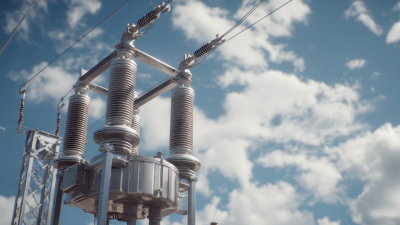
The FCS Series of capacitor switches presents a groundbreaking approach to managing capacitor banks in both single and three-phase configurations at voltage ratings ranging from 15 to 38kV. Designed to adhere to the IEC 62271-1 standard, these switches ensure reliability and safety in various applications, whether outdoors or indoors. The robust construction and innovative design enable efficient and seamless switching, critical for maintaining power quality and system stability in electrical networks.
With a rated voltage range of 2.5 to 34.5kV, the FCS Series meets diverse operational needs and environments. The versatility of these capacitor switches makes them a perfect fit for industrial applications, commercial facilities, and utility infrastructures. Moreover, the manufacturer's commitment to quality is evident with a two-year warranty, providing peace of mind to users and ensuring that the equipment operates optimally throughout its service life. Whether enhancing energy efficiency or improving reactive power management, the FCS Series stands as a trusted solution for modern electrical systems.
: Three-phase voltage regulators maintain consistent voltage levels across three-phase electrical systems by automatically adjusting the output voltage to match the required level, ensuring sensitive equipment operates efficiently and preventing damage from voltage surges or drops.
They utilize various technologies such as tap-changing transformers and static voltage stabilizers to achieve voltage balance across all three phases.
Voltage balance is vital for the performance of industrial machinery, HVAC systems, and other electrical devices that rely on a stable voltage supply.
Key factors include load requirements, power ratings, regulation range, efficiency ratings, environmental conditions, and compatibility with existing systems.
Environmental conditions such as temperature and humidity levels influence the durability and reliability of the voltage regulator, making it essential to consider these factors in the selection process.
It is crucial to evaluate the specific voltage levels your equipment requires, overall load demands, type of machinery, load variations, and the impact of voltage fluctuations on operational efficiency.
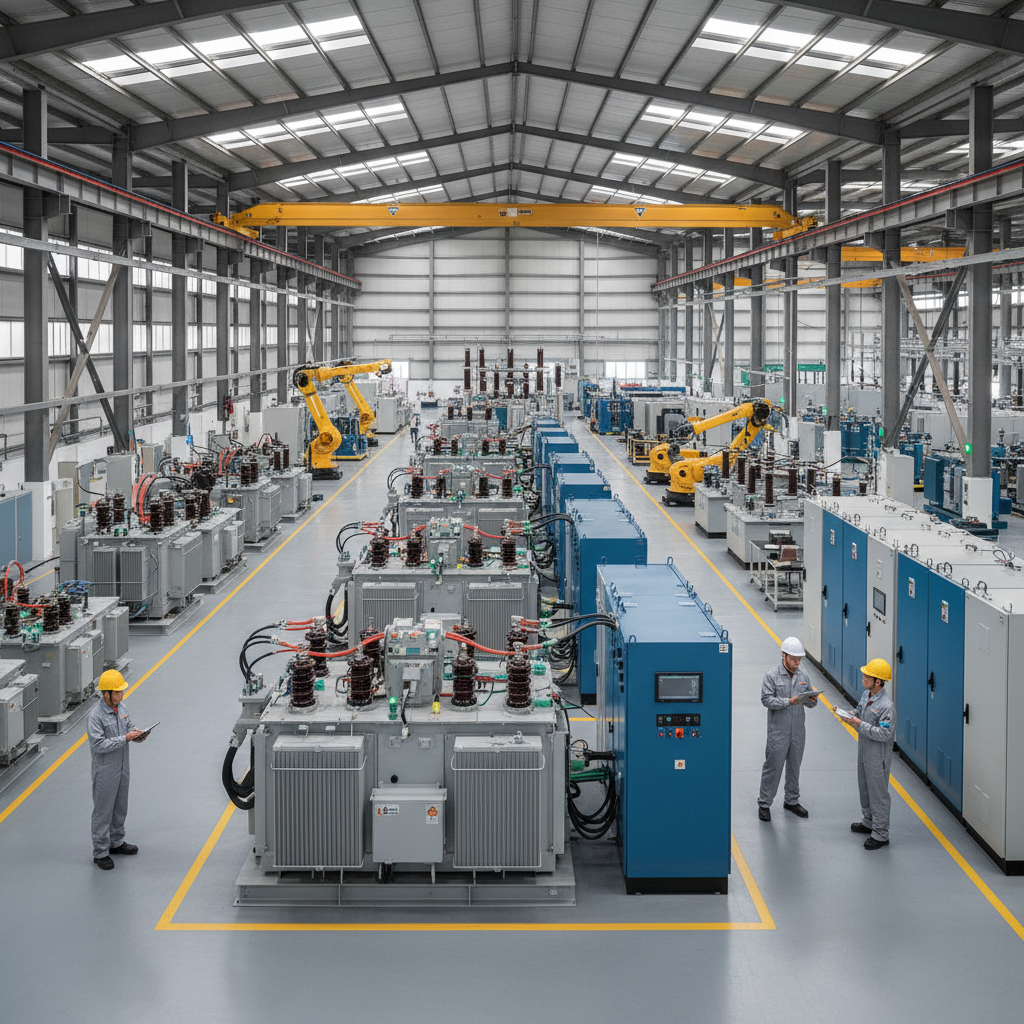
FARADY ELECTRIC CO., LTD. provides extensive experience in manufacturing power transformers, regulators, and switchgears along with a focus on technological advancements to ensure reliability and stability for industrial operations.
The regulation range determines how well the regulator can maintain a steady output voltage despite fluctuations in input voltage, which is crucial for stability.
Examining the efficiency ratings of a voltage regulator helps minimize energy losses and operational costs over time.
Assessing installation compatibility ensures smoother integration of the regulator with existing systems, which is essential for optimal operation.
In selecting the right Three Phase Voltage Regulator, it's essential to understand their functionality and the various types available on the market. Key factors to consider include the specific power requirements of your system, which can significantly impact the effectiveness of voltage regulation. Evaluating these needs ensures optimal performance and reliability.
Additionally, budgeting for your purchase is crucial, as prices can vary widely depending on features and quality. At FARADY ELECTRIC CO., LTD, we specialize in manufacturing high-quality power transformers, regulators, and switchgears backed by KEMA, ASTA, and UL certifications. With over 35,000 square meters of production space, we are committed to technological innovation in the field of voltage regulation, ensuring our customers find the perfect Three Phase Voltage Regulator to meet their specific needs.