Electric utilities constantly grapple with the challenge of keeping the power on for their customers. When outages happen, many utilities turn to a handy tech called the Auto Recloser. Basically, it’s like having an automatic helper that kicks in to restore power quickly after small glitches—things like fallen branches or lightning strikes—that can cause brief outages. This device really boosts the reliability of the electrical systems because it can fix some problems without waitin’ around or sending out crews right away. Plus, it’s safer too, since it reduces the need for people to go into risky conditions during outages.
With more and more renewable energy coming on board and the grid getting smarter and more modern, Auto Reclosers are more important than ever. They’re quick to spot faults, isolate the issues, and keep the whole system stable—so we don’t end up with massive blackouts. As utilities work to meet the growing demand from consumers, this technology also helps manage loads more efficiently and makes the entire grid more resilient.
This article is going to dive into the benefits of Auto Reclosers, talk about how they fit into power restoration plans, and look at how they impact overall grid management and keeping service reliable.
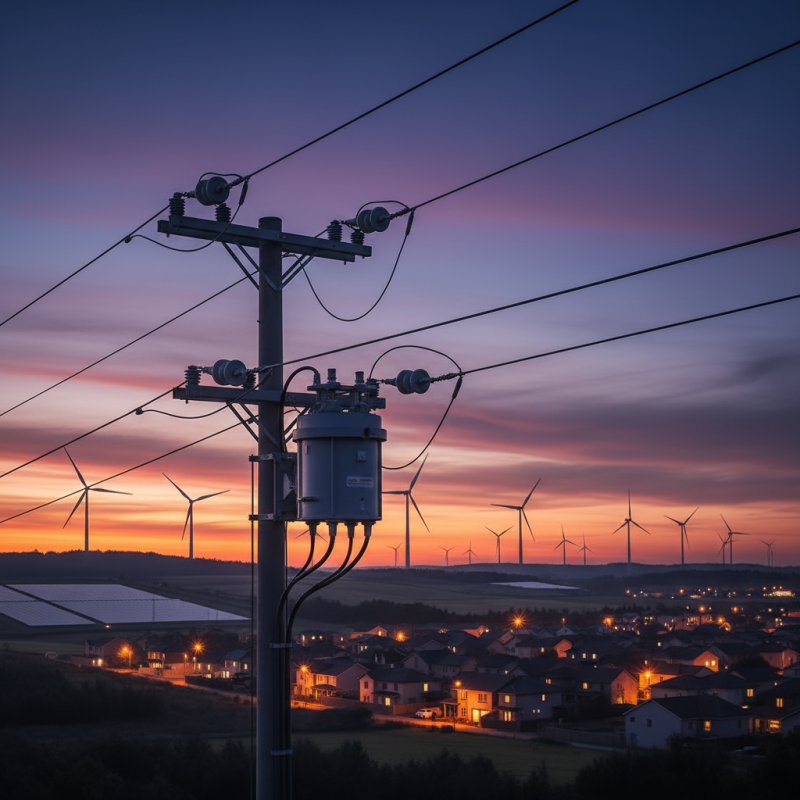
The Role of Auto Reclosers in Electric Utility Systems
Auto reclosers play a crucial role in modern electric utility systems, primarily by enhancing power restoration processes following outages. When a fault occurs in the distribution network, auto reclosers detect the fault and momentarily interrupt the circuit to clear it. According to the Institute of Electrical and Electronics Engineers (IEEE), implementing reclosers can reduce the average outage duration by up to 50%, significantly improving grid reliability and customer satisfaction. This efficiency is particularly vital in regions prone to transient faults, such as those caused by weather events or wildlife interference.
Moreover, the deployment of auto reclosers aligns with industry goals to automate and digitize utility operations. A report by the Edison Electric Institute (EEI) states that utilities implementing advanced automation technologies can experience a 20%-30% increase in operational efficiency. This increase not only translates to faster restoration times but also aids in the optimal management of resources, reducing costs associated with prolonged outages. By strategically placing auto reclosers throughout their networks, utilities can enhance fault detection and isolate sections of the grid, thus minimizing the impact on customers and expediting restoration efforts.
Why Do Electric Utilities Use Auto Reclosers for Power Restoration
This bar chart illustrates the average duration of power outages (in minutes) before and after the implementation of auto reclosers in electric utility systems across various regions. The data shows the significant impact of auto reclosers in reducing power restoration times.
Understanding Power Restoration Challenges
Electric utilities face significant challenges in power restoration, especially when addressing unplanned outages caused by weather events, equipment failures, or external interference. According to a report by the U.S. Department of Energy, approximately 80% of power outages are transient in nature, meaning they last less than five minutes. The rapid occurrence of such outages necessitates a quick response, which is where auto reclosers become essential. Designed to detect and isolate faults, auto reclosers allow utilities to minimize downtime by automatically restoring power on the first occurrence of a fault, reducing the need for immediate manual intervention.
The integration of auto reclosers into utility networks enhances reliability by providing multiple attempts to restore power before a permanent disconnection occurs. This not only mitigates the impact of temporary faults but also helps utilities avoid unnecessary outages, optimizing customer satisfaction. According to the Edison Electric Institute, utilities can reduce outage durations by nearly 50% through the effective use of auto reclosers. However, utilities must also consider challenges such as the aging infrastructure and the increasing complexity of the grid, which demand innovative technologies for fault detection and restoration processes.
Mechanisms of Auto Reclosers in Fault Detection
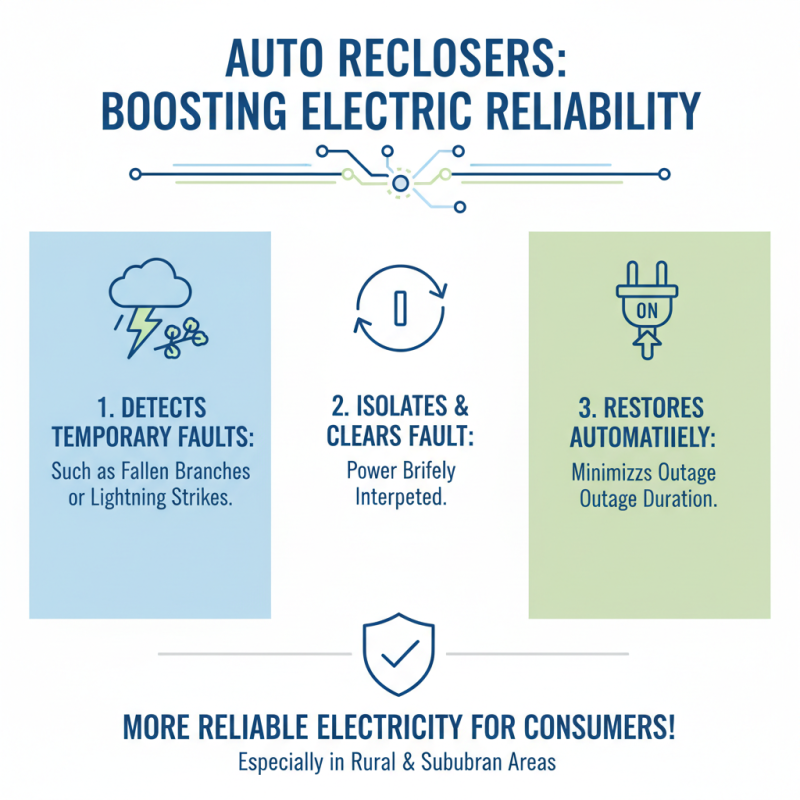
Auto reclosers are integral components in modern electric utility systems, designed to enhance power restoration processes following temporary faults. These devices employ advanced mechanisms that enable them to detect faults in the electrical network efficiently. When a disturbance occurs, such as a tree branch contacting a power line, the auto recloser rapidly senses an increase in current and initiates a disconnection of power. This swift action helps prevent damage to the infrastructure and minimizes the duration of power outages.
After a brief interruption, the auto recloser automatically attempts to restore power by momentarily re-energizing the circuit. If the fault persists, the device will isolate the faulty section and alert operators for further intervention. This "try-fail-try" approach not only saves time in power restoration but also helps to avoid unnecessary outages caused by temporary issues that may resolve on their own.
Tips: When designing an electric utility network, consider incorporating auto reclosers to enhance reliability. Regular testing of these devices is crucial to ensure their effectiveness in fault detection. Additionally, educating maintenance crews on the functionality of auto reclosers can improve response strategies during outages, leading to a more resilient power supply system.
Benefits of Auto Reclosers for System Reliability
Auto reclosers play a crucial role in enhancing the reliability of electric utility systems. These devices are designed to automatically detect and eliminate temporary faults in power lines, such as those caused by fallen branches or lightning strikes. By automatically restoring power after a brief interruption, auto reclosers minimize the duration of outages, thus improving service reliability for consumers. This feature is especially vital in rural and suburban areas where power lines may be more susceptible to environmental factors.
In addition to reducing the length of outages, auto reclosers contribute to system stability. They help maintain the balance of electricity supply and demand by quickly reestablishing connections in the grid. This not only keeps the power flowing but also protects equipment from damage associated with power fluctuations and surges. Moreover, by reducing the need for crews to manually inspect and repair faults, utility companies optimize their operational efficiency, allowing them to respond more swiftly to actual, persistent faults that require human intervention. Thus, auto reclosers are an essential component of modern electric utility infrastructure, reinforcing its reliability and resilience against disruptions.
Impact of Auto Reclosers on Outage Duration
Auto reclosers play a crucial role in the utility sector by minimizing outage durations, thereby enhancing the reliability of power supply. According to data from the U.S. Department of Energy, outages contribute significantly to the overall downtime experienced by consumers, with many lasting over an hour. However, the deployment of auto reclosers, which automatically reset power lines after brief interruptions, has been shown to reduce this average outage duration by up to 30%. By detecting and isolating faults quickly, auto reclosers prevent prolonged service interruptions and limit the number of customers affected.
The operational efficiency of auto reclosers not only speeds up the restoration process but also contributes to a more resilient power grid. A report from the Electric Power Research Institute indicates that the use of auto reclosers can reduce the frequency of sustained outages by 50%. This is particularly important in areas prone to transient faults, such as those caused by branches or wildlife. By effectively clearing these interruptions, utilities can significantly lower the number of service calls and the associated costs, ultimately translating to improved customer satisfaction and lower operational expenditures.
Integration of Auto Reclosers with Smart Grid Technologies
The integration of auto reclosers with smart grid technologies marks a significant advancement in enhancing the reliability and efficiency of electric utilities. Auto reclosers, which automatically shut off and restore power after a fault occurs, play a crucial role in minimizing outage durations. According to a report by the U.S. Department of Energy, the implementation of smart grid technologies, including auto reclosers, can reduce outage times by up to 30%. This improvement is critical as utilities strive to not only maintain service quality but also meet increasing consumer expectations for reliability.
Smart grid technologies enable real-time data analysis and automated decision-making, allowing auto reclosers to optimize their operations. When integrated with advanced sensors and communication networks, these devices can detect faults with higher accuracy and determine the ideal reclosure strategy. A study from the Electric Power Research Institute emphasizes that the deployment of smart auto reclosers can lead to a 15% reduction in maintenance costs due to proactive fault management. As utilities adapt to aging infrastructure and heightened demand, the synergy between auto reclosers and smart grid systems will be essential in shaping the future of power distribution.
Future Trends in Auto Reclosing Technologies for Utilities
The future of auto reclosing technologies for utilities is poised for significant evolution as advancements in smart grid infrastructure continue to unfold. Innovative algorithms and enhanced sensing capabilities are becoming integral components of auto reclosers. These technologies enable utilities to not only detect faults more accurately but also discern between temporary and permanent outages, leading to more efficient power restoration processes. As utilities adopt more sophisticated operational frameworks, integrating real-time data analytics and machine learning will enhance the predictive capabilities of these systems, allowing for timely interventions before outages become prolonged.
Moreover, the integration of renewable energy sources into the grid further shapes the advancements in auto reclosing technologies. With the increasing complexity of power generation from distributed sources such as solar and wind, auto reclosers will need to adapt to fluctuating power flows and conditions that were uncommon in traditional grids. Innovations focusing on interoperability and communication among devices will facilitate seamless coordination, ensuring that auto reclosers operate effectively regardless of the underlying energy mix. This convergence of technology signals a transformative era for utility companies, where reliability and sustainability will be at the forefront of their service delivery strategy.
Enhancing Grid Resilience: Insights from Industry Reports on FAR Series 15KV/27KV/38KV AUTO Circuit Reclosers
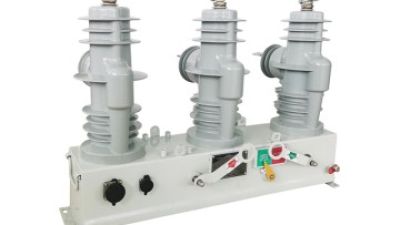
The resilience of electrical grids is crucial for ensuring consistent power supply, especially during adverse conditions. The insights garnered from industry reports on FAR Series 15KV/27KV/38KV AUTO Circuit Reclosers highlight the advancements in technology that enhance grid reliability. These reclosers are designed to automatically restore power after temporary faults, minimizing downtime and optimizing operational efficiency. By integrating these advanced solutions into both outdoor and indoor applications, utilities can effectively manage power interruptions and improve overall service quality.
With a rated voltage range of 2.5 to 34.5kV, the ACR series adheres to international standards such as IEC 62271-1, ensuring safety and compatibility within existing infrastructure. The durable construction of these reclosers enables them to withstand the diverse conditions they may encounter, making them ideal for various deployment scenarios. Furthermore, backed by a comprehensive two-year warranty, these products underline the commitment to quality and reliability in maintaining grid functionality. Emphasizing innovative solutions such as these not only strengthens grid resilience but also contributes to a more sustainable energy future.
FAQS
: Power outages are mainly caused by weather events, equipment failures, and external interference. Approximately 80% of these outages are transient, lasting less than five minutes.
Auto reclosers detect and isolate faults, allowing for automatic restoration of power on the first occurrence of a fault, which minimizes downtime and reduces the need for manual intervention.
The use of auto reclosers can reduce average outage durations by up to 30%, effectively preventing prolonged service interruptions.
Utilities can potentially reduce outage durations by nearly 50% through the effective use of auto reclosers, enhancing customer satisfaction.
Utilities confront challenges such as aging infrastructure and the increasing complexity of the power grid, which require innovative technologies for effective fault detection and restoration.
Smart grid technologies allow for real-time data analysis and automated decision-making, enabling auto reclosers to detect faults with higher accuracy and optimize their operations.
The deployment of smart auto reclosers can lead to a 15% reduction in maintenance costs due to improved proactive fault management.
By minimizing outage durations and improving service reliability, auto reclosers contribute to enhanced customer satisfaction and lower operational expenditures for utilities.
Auto reclosers are vital in regions susceptible to transient faults, such as those caused by branches or wildlife, helping to quickly clear interruptions and reduce service calls.
Conclusion
Auto reclosers play a crucial role in enhancing the reliability and efficiency of electric utility systems. As they automatically detect and isolate faults in the power distribution network, they offer significant advantages in minimizing outage durations. The challenges of power restoration often lead to prolonged outages, which auto reclosers effectively mitigate by rapidly restoring service after transient faults.
Moreover, the integration of auto reclosers with smart grid technologies paves the way for more intelligent and responsive power systems. Future trends indicate continued advancements in auto reclosing technologies, promising even greater improvements in utility operations and customer satisfaction. By addressing both reliability and response time, auto reclosers are essential for modern electric utilities striving to maintain robust service in the face of increasing demand and complexity in power distribution.