Picking the right auto recloser can honestly feel a bit overwhelming, especially with so many options out there today. At FARADY ELECTRIC CO., LTD., we totally get how important it is to choose the right gear to keep your electrical systems safe and running smoothly. With tons of experience in making power transformers, regulators, and switchgears — all backed by trusted certifications like KEMA, ASTA, and UL — we’ve got the knowledge to help you make smarter decisions.
When you're trying to figure out which auto recloser fits your needs, it’s good to think about your system’s specific demands, operational needs, and any rules or standards you’ve gotta follow. Our modern production facilities cover more than 35,000 square meters, where we focus on pushing the limits of technology and making products that are top-notch but also flexible enough to suit different projects.
In this guide, we’re sharing ten key tips to help you cut through the confusion and pick an auto recloser that boosts your system’s reliability and performance. Trust us, there’s a lot to consider, but with the right info, you’ll be making a choice you can really count on.
Understanding the Different Types of Auto Reclosers and Their Applications
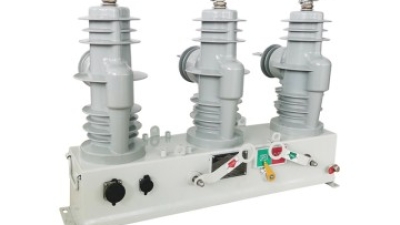
When selecting an auto recloser, understanding the various types available is crucial for ensuring optimal performance in your specific application. Auto reclosers are generally categorized into two main types: hydraulic and electronic. Hydraulic reclosers operate using fluid pressure, making them robust and reliable for outdoor applications. According to a report from the International Energy Agency, these devices have an impressive success rate in fault clearing, with a 90% efficiency during fault events. This makes them particularly suitable for rural and remote areas where electrical accessibility is limited.
On the other hand, electronic reclosers come equipped with advanced features, such as communication capabilities and programmable settings, enhancing their adaptability to diverse operational environments. A study by the Electric Power Research Institute highlights that electronic auto reclosers can reduce outage times by up to 30%, thanks to their ability to quickly analyze fault conditions and implement intelligent reclosure strategies. This makes them highly effective for urban setups where transient faults are more common. Understanding the distinct advantages of each type allows operators to make informed decisions that align with their specific requirements and environmental considerations.
Auto Recloser Types and Their Applications
Key Considerations for Voltage Ratings When Selecting an Auto Recloser
When selecting an auto recloser, understanding voltage ratings is paramount. According to the Institute of Electrical and Electronics Engineers (IEEE), choosing the correct voltage rating significantly influences the performance and reliability of the recloser in protecting network assets. Auto reclosers, which automatically reset after a temporary fault, must be compatible with the voltage levels in your distribution system. For instance, for residential applications, a 4-12 kV rating is typically sufficient, while industrial environments may require higher ratings, often exceeding 15 kV. Misaligning the recloser's voltage rating with system demands can lead to costly downtimes and potential equipment failures.

Moreover, data from the International Electrotechnical Commission highlights that improper voltage specifications can compromise fault detection accuracy, risking further network instability. The trend towards higher voltages in modern electrical grids necessitates that operators prioritize reclosers rated above existing requirements to accommodate future upgrades. For instance, utilities investing in smart grid technologies should consider reclosers with multi-voltage capabilities to ensure flexibility in dynamic operational conditions. By focusing on voltage ratings, operators can enhance grid reliability while safeguarding infrastructure against unforeseen electrical disturbances.
Evaluating the Importance of Operating Mechanisms in Auto Recloser Performance
When selecting an auto recloser, understanding the operating mechanism is crucial for ensuring optimal performance. The two primary types of operating mechanisms are hydraulic and electronic.
Hydraulic mechanisms tend to be more robust and reliable in harsh environments, offering simplicity and durability. They utilize a fluid-based system to operate, which can be less sensitive to power fluctuations. On the other hand, electronic mechanisms provide advanced features, such as remote monitoring and precise control over reclosure settings, allowing for greater customization based on specific utility needs.
An effective auto recloser not only minimizes downtime by automatically resetting after a fault but also enhances grid stability. The choice of operating mechanism directly influences the speed of fault detection and the reclosure sequence. For instance, an electronic recloser can be programmed to implement various strategies based on the type and location of faults, which helps in maintaining system reliability.
Evaluating the performance implications of these mechanisms ensures that the chosen auto recloser aligns with operational requirements, ultimately contributing to a more resilient electrical infrastructure.
Assessing Environmental Conditions: How Climate Impacts Auto Recloser Selection
Selecting the right auto recloser is crucial, especially when considering the environmental conditions it will operate in. Climate factors such as temperature extremes, humidity levels, and the likelihood of severe weather events significantly influence the design and functionality of auto reclosers. For instance, in areas prone to heavy rains or flooding, choosing a model with enhanced moisture resistance is essential.
Conversely, regions with extreme temperatures may require reclosers that can withstand thermal expansion and contraction.
When assessing your options, consider tips like evaluating the location's typical weather patterns and potential natural disasters. For example, if you operate in a region that faces frequent storms, an auto recloser with built-in storm protection features can reduce maintenance needs and improve reliability. Additionally, always consult local electrical codes and regulations, as these can also dictate specific requirements based on environmental considerations, ensuring safety and compliance with best practices.
Another important tip is to think about the long-term maintenance and operational costs. An auto recloser suited for your climate can mitigate issues like insulation failure or mechanical breakdowns, saving you money in the long run. Investing in the right equipment tailored to your local environmental conditions will not only enhance performance but also increase the lifespan of your auto reclosers.
Analyzing the Role of Fault Detection Technology in Modern Auto Reclosers
In the realm of electrical safety and reliability, the selection of an auto recloser is pivotal, particularly with regard to its fault detection technology. Modern auto reclosers employ sophisticated algorithms and sensors to identify and isolate faults rapidly, minimizing the risk of equipment damage and ensuring continuous power supply. According to a recent report by Global Market Insights, the fault detection technology in auto reclosers is projected to grow by 5% annually, driven by increasing demand for reliable electrical distribution systems in both urban and industrial settings.
FARADY ELECTRIC CO., LTD. stands at the forefront of this technological evolution, emphasizing the significance of high-quality manufacturing processes backed by KEMA/ASTA/UL certifications. With a production base of over 35,000 square meters, FARADY is committed to integrating advanced fault detection mechanisms into its auto reclosers. This ensures not only compliance with global standards but also enhances the performance and efficiency of power transformers, regulators, and switchgears. As the industry advances, focusing on fault detection capabilities will be crucial for utilities seeking to enhance grid reliability while reducing operational disruptions.
Cost-Benefit Analysis: Balancing Price and Performance in Auto Recloser Choices
When selecting an auto recloser, a comprehensive cost-benefit analysis is crucial to ensure that both price and performance align with your operational needs. The initial purchase price can be attractive, but it is essential to evaluate the long-term reliability and efficiency of the device. Cheaper options may lead to higher maintenance costs and operational inefficiencies, ultimately outweighing any initial savings. Investing in a more robust model could save money in the long run by reducing the frequency of faults and enhancing overall system reliability.
Additionally, consider the performance features that support your specific application. Factors such as reclosure time, fault detection capabilities, and environmental resilience should be weighed against their costs. A high-performance auto recloser may have a higher upfront investment but can mitigate system downtime and reduce the risk of damage during faults. Analyze how often power interruptions occur in your area and the potential costs associated with outages. This analysis will help you balance the upfront price of an effective auto recloser against the economic benefits of improved service reliability and reduced operational disruption.
Leveraging Automated Circuit Reclosers in Electrical Grids: Insights from 2023 Industry Data on FAR 15KV/27KV/38KV Solutions
The evolution of electrical grids is significantly influenced by advancements in automated technologies, particularly Automated Circuit Reclosers (ACRs). According to the 2023 industry data, with a rated voltage capacity ranging from 2.5 to 34.5kV, ACRs have emerged as essential tools for improving the reliability and efficiency of power distribution systems. These devices are designed to automatically restore power following transient faults, minimizing downtime and enhancing service continuity. The data indicates that incorporating ACR technology can lead to a reduction in outage times by up to 70%, making these solutions vital for utilities seeking to meet growing energy demands.
The ACR model series adheres to the IEC 62271-1 standard, ensuring safety and compatibility with existing grid infrastructures. With applications suitable for both outdoor and indoor installations, the versatility of ACRs allows them to be deployed in various environments, thus expanding their functionality. A warranty of two years further underscores the confidence manufacturers have in their durability and effectiveness. As the industry leans towards smart grid solutions, the integration of ACRs in the electrical grid not only optimizes operational efficiency but also paves the way for enhanced grid modernization efforts, a trend corroborated by various market analysis reports indicating a robust growth trajectory in automated circuit protection technologies.
FAQS
: Understanding voltage ratings is crucial as it significantly influences the performance and reliability of the recloser in protecting network assets.
A voltage rating of 4-12 kV is typically sufficient for residential applications.
Misaligning the recloser's voltage rating with system demands can lead to costly downtimes and potential equipment failures.
Utilities should consider reclosers with multi-voltage capabilities to ensure flexibility in dynamic operational conditions.
Improper voltage specifications can compromise fault detection accuracy, risking further network instability.
Factors include initial purchase price, long-term reliability, maintenance costs, and performance features such as reclosure time and fault detection capabilities.
No, cheaper options may lead to higher maintenance costs and operational inefficiencies that outweigh initial savings.
A high-performance auto recloser can reduce the frequency of faults and enhance overall system reliability, potentially saving money in the long run.
Operators should analyze how often power interruptions occur and the potential costs associated with those outages to assess the economic benefits of investing in a reliable auto recloser.
Conclusion
Choosing the right Auto Recloser is crucial for ensuring reliability and safety in electrical systems. Understanding the various types of Auto Reclosers and their specific applications is fundamental, as it allows users to select the best option based on their unique requirements. Key considerations, such as voltage ratings and operating mechanisms, significantly influence the performance and efficiency of the Auto Recloser. Additionally, assessing environmental conditions, including climate impacts, plays a critical role in the selection process.
Modern Auto Reclosers also incorporate advanced fault detection technologies, enhancing their ability to respond to electrical faults promptly. It is essential to perform a cost-benefit analysis to balance price with performance, ensuring that the chosen Auto Recloser meets both budgetary constraints and operational demands. At FARADY ELECTRIC CO., LTD., we are committed to providing high-quality Auto Reclosers and other electrical equipment, backed by our certifications and dedication to technological innovation in the power transformer and switchgear manufacturing industry.