Leave Your Message
0%

In today’s world, having a stable power supply at home is more important than ever. I was talking to John Smith over at PowerSafe Technologies, and he made a good point — an Automatic Voltage Regulator (or AVR, for short) is no joke when it comes to protecting your devices. Honestly, without proper voltage regulation, your appliances can take quite a beating.

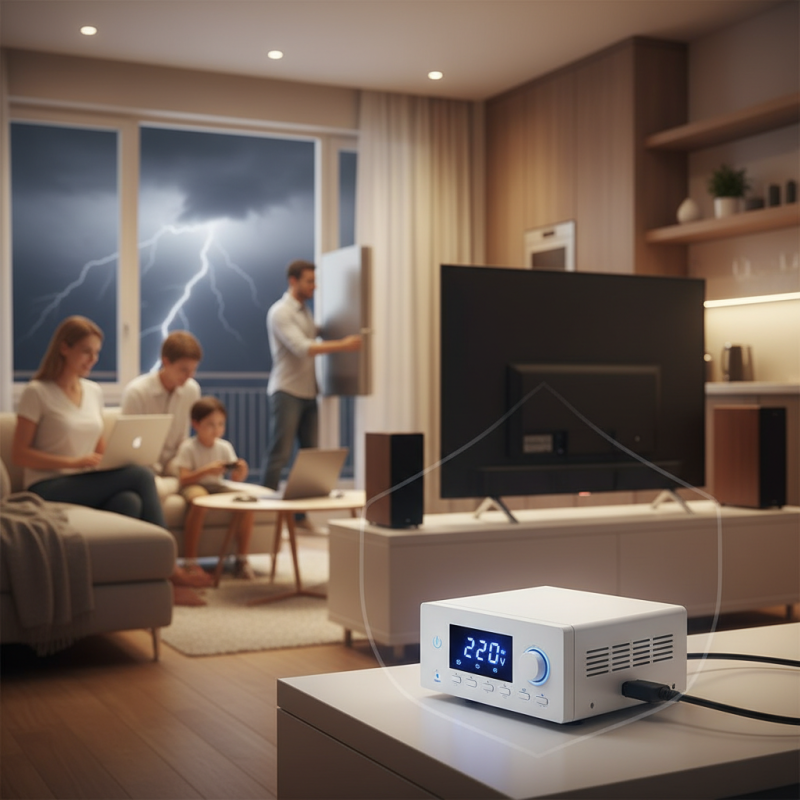
An AVR keeps everything running smoothly. If the voltage’s all over the place, it can really mess up your electronics and appliances. Things like computers, refrigerators, and other sensitive gadgets really need stable power. And during storms or when everyone’s using their air conditioners at once, voltage can spike or dip dangerously. That kind of fluctuation can lead to costly repairs — nobody wants that!

But here’s the thing — not everyone gets how risky this stuff really is. Some folks assume that just wiring their house properly is enough. Well, that’s a bit of a misconception. Ignoring the need for an AVR can cause serious headaches down the line. It might seem like an extra expense or unnecessary, but trust me, waiting until something breaks is way more costly. Upgrading your home's power setup with an AVR is really about making your living space safer and protecting what matters most.

So, yeah, a little investment now can save you a lot of trouble later. Protect your home and your gadgets — it’s worth it.
Why Do You Need an Automatic Voltage Regulator for Your Home?

The Role of Voltage Regulation in Home Electrical Systems

In home electrical systems, voltage regulation is essential. It helps maintain a steady voltage level, which is crucial for electronic devices. Fluctuations in voltage can cause equipment to malfunction or even break down. This is especially true for sensitive devices like computers and TVs. They need consistent power to function correctly.

Without a proper regulator, voltage spikes can occur. These spikes can lead to overheating and damage to appliances. On the other hand, under-voltage can cause devices to operate inefficiently. This could waste energy and increase utility bills. Homeowners must recognize these risks for their electrical safety.

Some people may think voltage regulation is unnecessary. They might say, "My devices work fine." But electricity is unpredictable. It’s better to be safe than to deal with costly repairs later. Implementing an automatic voltage regulator can provide peace of mind. It smooths out the surges and dips, ensuring everything runs smoothly.

Understanding Voltage Fluctuations and Their Impact on Appliances

Voltage fluctuations can significantly impact your household appliances. These fluctuations often result from weather changes, grid issues, or high electricity demand. According to industry reports, nearly 30% of electrical damage in homes is due to voltage irregularities. This can lead to premature failure of electronics and appliances, costing homeowners up to $5,000 annually in repairs.

Tip: Consider investing in an automatic voltage regulator (AVR) to protect your devices. An AVR stabilizes voltage, ensuring your appliances receive consistent power. This can extend the lifespan of valuable equipment like refrigerators, computers, and HVAC systems. The right AVR can effectively reduce energy waste and lower utility bills.

Voltage instability can cause appliances to operate inefficiently. For instance, motors in refrigerators or air conditioners might overheat due to surges. This not only damages the appliances but also increases energy consumption. Regular monitoring of voltage levels can save you from unexpected costs and maintain appliance efficiency.

Tip: Regularly check your home’s voltage levels, especially during peak hours. Identifying issues early can prevent damage and enhance appliance performance. Being proactive can protect your investment and ensure smoother operations in your home.

Benefits of Using an Automatic Voltage Regulator in Households

An automatic voltage regulator (AVR) can bring numerous advantages to households. One of the primary benefits is the protection it offers for home appliances. Fluctuating voltage can damage electronics, leading to costly repairs. With an AVR, these fluctuations are minimized. Appliances run more smoothly and last longer. It's a practical solution for many homes.

Using an AVR enhances energy efficiency. When voltage levels are stable, appliances consume energy more effectively. This stability may also lead to reduced energy bills over time. Homeowners may notice lower costs, which is a definite plus.

Yet, some people may overlook this crucial addition. They might think it's unnecessary or too expensive. However, considering the potential damage from voltage spikes, this can be a false economy. Investing in an AVR is about safeguarding your home and saving money in the long run. It requires reflection on what's best for your living space.

Why Do You Need an Automatic Voltage Regulator for Your Home? - Benefits of Using an Automatic Voltage Regulator in Households

Benefit Description Impact on Household
Voltage Stabilization Maintains a consistent voltage level to protect appliances. Prevents damage to sensitive electronics.
Energy Efficiency Improves efficiency by regulating power supply. Reduces electricity bills by minimizing waste.
Extended Appliance Lifespan Reduces the stress on electrical devices. Saves money on replacements and repairs.
Improved Safety Prevents electrical fires caused by voltage surges. Enhances overall household safety.
Noise Reduction Reduces electrical noise that can affect sound quality. Improves performance of audio and video devices.

How an Automatic Voltage Regulator Works to Stabilize Power

An automatic voltage regulator (AVR) plays a crucial role in stabilizing power for your home. Fluctuations in voltage can damage sensitive electronics. Research shows that nearly 10% of household equipment fails due to inconsistent voltage levels. This includes computers, televisions, and refrigerators. Protecting these investments is essential.

An AVR works by monitoring the incoming voltage and adjusting it in real-time. When voltage drops, it boosts the supply. Conversely, if the voltage spikes, it reduces it. This active control can prevent power surges or drops that may harm your devices. The importance of an AVR becomes clear when considering that the average household experiences power fluctuations up to 30 times per day.

In fact, studies indicate that households without voltage regulation experience a 30% shorter lifespan for electrical appliances. Users often overlook the need for voltage stabilization until they suffer a significant loss. Installing an AVR is not just about protection. It's about ensuring your devices operate effectively, extending their lifespan while reducing maintenance costs. Embracing this simple technology could lead to fewer headaches in the long run.

Choosing the Right Automatic Voltage Regulator for Your Home

Why Do You Need an Automatic Voltage Regulator for Your Home?

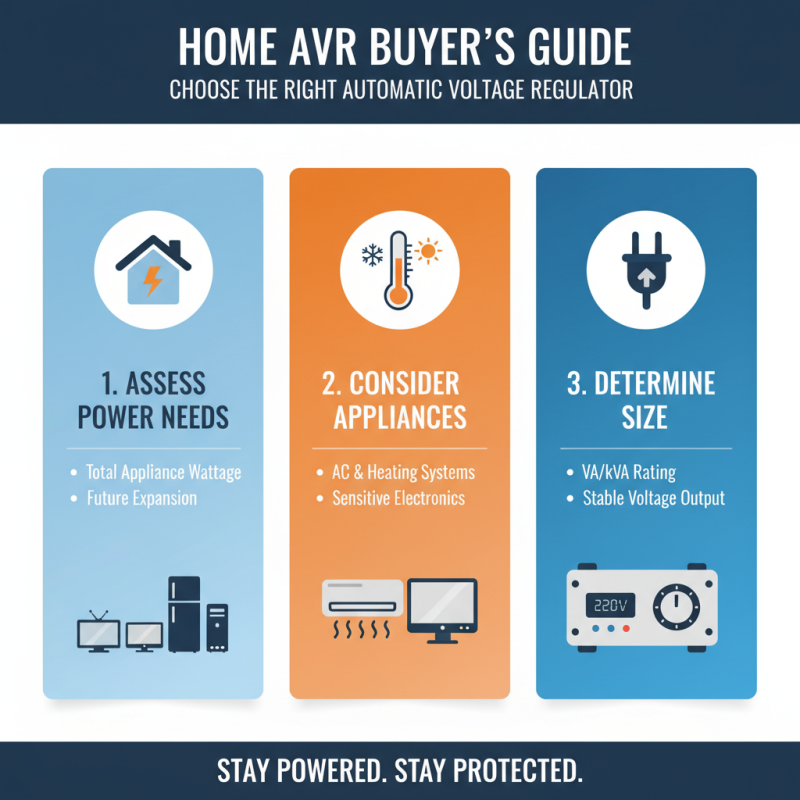
When selecting an automatic voltage regulator for your home, several factors come into play. First, assess your power needs. Consider the appliances you use daily. Do you run air conditioning or heating systems? These require stable voltage to function properly. Understanding your energy consumption helps you choose the right regulator size.

Next, think about the voltage fluctuation in your area. Some neighborhoods experience frequent power surges or drops. If this is the case for you, a regulator with a higher voltage correction range might be necessary. You want a model that can handle these surges without compromising your devices.

Finally, don't overlook the installation process. Some regulators are more complex than others. Ensure you have a basic understanding of how to set it up. If not, consulting with a professional can be a wise move. Installation mistakes might lead to your appliances being damaged. This aspect is often ignored, yet it is crucial for ensuring long-term performance.

Common Signs That Indicate You Need a Voltage Regulator

Why Do You Need an Automatic Voltage Regulator for Your Home?

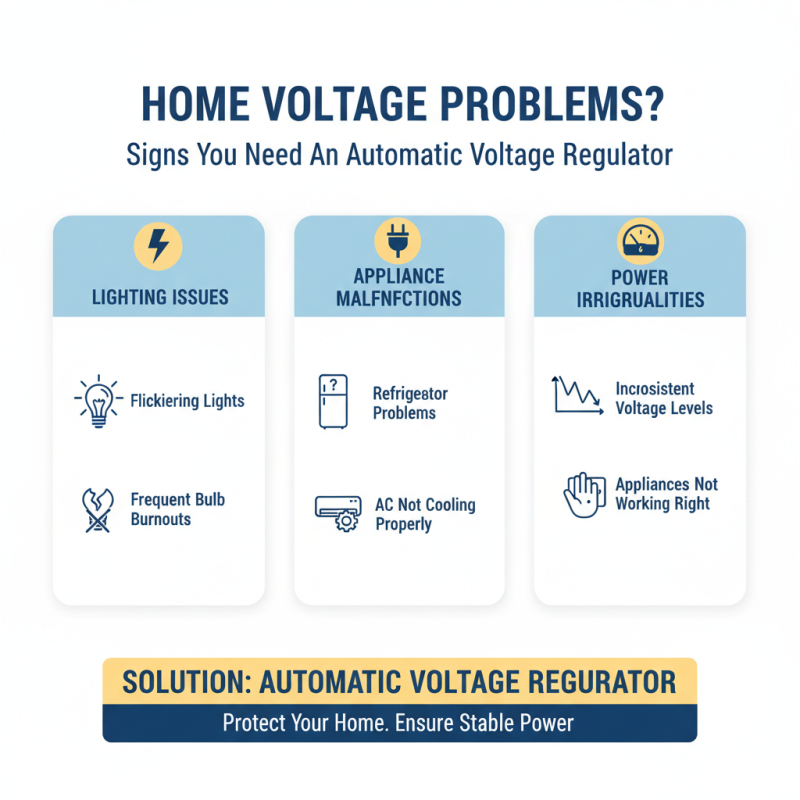
Homeowners may notice several signs indicating the need for an automatic voltage regulator. Flickering lights often suggest voltage instability. Frequent bulb burnouts can also be a warning sign. Other appliances may not function properly. You might experience issues with your refrigerator or air conditioner. These problems could be a direct result of inconsistent voltage levels.

Tips for recognizing voltage issues include observing your electronics. If devices buzz or overheat, they might be affected. Test your devices regularly to ensure they operate efficiently. Odd behavior in appliances, like unexpected shutdowns, requires attention. Check your circuit breaker, too. Frequent tripping may indicate a voltage problem.

Pay attention to surges and drops in power. You may not always notice them, but the effects can be damaging. Consider the age of your home’s electrical system. Older systems often struggle with modern demands. An automatic voltage regulator provides a safety net against these fluctuations, ensuring your home remains powered reliably.

Installation and Maintenance Tips for Automatic Voltage Regulators

Installing an automatic voltage regulator (AVR) can protect your home appliances. When choosing an AVR, make sure it meets your power needs. Check the voltage range, capacity, and output. Buy one that is compatible with your home’s electrical system. An electrician can help you ensure the installation is done correctly.

Proper maintenance is critical for the longevity of your AVR. Regularly inspect the device for any signs of wear or damage. Clean the unit to prevent dust buildup. This can affect its performance. Remember to check the connections to ensure they are tight and free of corrosion. If you notice any unusual noises or fluctuations, consider consulting a professional. These steps may seem minor, but they can prevent costly repairs later.

Power Stability: The Importance of Automatic Voltage Regulators

This chart illustrates the variance in voltage levels throughout a typical day in a household setting. The data shows the peaks and troughs in voltage which an automatic voltage regulator can help stabilize, ensuring that devices operate efficiently and are protected from power surges.

FAQS

: What is the main purpose of the service?

: It aims to simplify access to various resources. Users can easily find what they need.

Who can use this service?

Anyone can use it, regardless of expertise. It caters to different age groups and backgrounds.

How do I get started?

You can sign up online. The process is straightforward and user-friendly.

Are there any costs involved?

Basic features are often free. Advanced options may require payment, but not all do.

What support is available if I encounter issues?

There is a help center with FAQs. You can also contact support for personal assistance.

Can I access the service on mobile devices?

Yes, it's designed to work on smartphones and tablets. Mobile access is convenient for on-the-go users.

How secure is my information?

Security measures are in place to protect your data. However, nothing is infallible.

What if I need features that aren’t offered?

It's essential to provide feedback. Suggesting new options helps improve the service over time.

Can I share my account?

Sharing might lead to complications. It's generally advised to keep accounts private for safety.

Is there any training available?

Training resources are available online. Self-paced options help users master the service at their own speed.

Conclusion

An Automatic Voltage Regulator (AVR) plays a crucial role in maintaining the stability of home electrical systems by ensuring that appliances receive a consistent voltage level. Voltage fluctuations can cause significant damage to household devices, leading to malfunction or reduced lifespan. By utilizing an AVR, homeowners can protect their appliances from such fluctuations, resulting in enhanced efficiency and longevity.

Understanding how an Automatic Voltage Regulator operates is essential for selecting the right model for your home. It stabilizes power levels, which can prevent common issues like flickering lights and equipment failures. Recognizing the signs that indicate the need for an AVR, along with proper installation and maintenance tips, can further optimize your home’s electrical performance and safeguard your investment in appliances.

Charlotte

Charlotte

Charlotte is a dedicated marketing professional at FARADY, specializing in the manufacturing of power transformers, regulators, and switchgears. With a strong emphasis on quality, FARADY holds KEMA, ASTA, and UL certifications, ensuring that our products meet the highest industry standards.......
Previous Understanding the Importance of Voltage Adjusters in Modern Electronics