Leave Your Message
0%

In the fast-changing world of renewable energy, picking the right PV transformer really matters if you're serious about making your solar project a success. I mean, with worldwide solar capacity expected to blow past 2,000 GW by 2025, the need for reliable, efficient transformers is more crucial than ever. A report from the International Energy Agency (IEA) highlights that the solar industry needs solid infrastructure to keep up with this rapid growth. So, choosing the right components—especially PV transformers—is key to keeping everything running smoothly and getting the most out of your system.

Industry folks like Dr. Emily Johnson from SolarTech Innovations often emphasize this point: 'The right PV transformer can make a big difference in how efficiently your system works and can even cut down operational costs.' She’s got a good point—project developers really need to focus on selecting the right transformer if they want their projects to stay sustainable and profitable in the long run. When you’re aiming to maximize energy production and cut down on downtime, understanding the different specs and features of available PV transformers becomes super important. Making informed choices here isn’t just smart; it’s essential for building a strong foundation for a future that’s powered by renewable energy. Bottom line? Getting this right lays the groundwork for long-term success in the renewable energy game.
Top 10 Tips for Choosing the Best Pv Transformer for Your Solar Project

Understanding the Role of Pv Transformers in Solar Projects

In solar projects, the role of photovoltaic (PV) transformers is crucial for efficient energy conversion and system reliability. These transformers not only facilitate the safe transfer of electricity from solar panels to the grid but also help in voltage regulation, ensuring that the output meets the required standards. Choosing the right PV transformer can significantly impact the overall performance and longevity of your solar installation.

One essential tip is to evaluate the transformer's capacity. It's crucial to select a transformer that matches your solar array's output to avoid overloading, which can lead to system failures. Another important consideration is the transformer’s insulation type. Opting for a dry-type transformer can enhance reliability and reduce maintenance needs, making it suitable for various environmental conditions.

Additionally, consider the efficiency rating of the transformer. A high-efficiency transformer minimizes energy losses during the conversion process, ultimately improving the return on investment for your solar project. By carefully considering these factors, you can ensure that your PV transformer contributes positively to the success and efficiency of your solar energy efforts.

Key Specifications to Consider When Selecting Pv Transformers

When selecting a PV transformer for your solar project, it is essential to pay close attention to several key specifications that can significantly impact performance and efficiency. First and foremost, consider the transformer's rated capacity, which should match the energy output of your solar installation. This ensures optimal energy transfer and minimizes the risk of overload. Additionally, evaluate the voltage ratings, as compatibility with your system's electrical configuration is crucial for safe operation.

Another important aspect to consider is the efficiency rating of the transformer. High-efficiency transformers reduce energy losses, which is vital for maximizing the overall performance of a solar project. Additionally, look for transformers that have robust thermal management features, ensuring reliable operation even in high-temperature environments. Ensuring that the transformer is certified by recognized bodies such as KEMA, ASTA, or UL can also provide peace of mind regarding its safety and performance standards.

At FARADY ELECTRIC CO., LTD., we specialize in manufacturing high-quality power transformers and regulators tailored for solar applications. Our extensive production base of over 35,000 square meters allows us to drive continuous technological innovation, ensuring that we provide transformers that meet stringent standards while also being efficient and reliable. By focusing on these specifications, you can make an informed choice that enhances the performance of your solar project.

Evaluating Power Rating and Efficiency for Optimal Performance

When selecting a PV transformer for your solar project, evaluating its power rating and efficiency is critical for ensuring optimal performance. According to the National Renewable Energy Laboratory (NREL), the efficiency of a transformer can significantly impact the overall energy yield of a solar power system. A high-quality transformer with an efficiency rating typically above 98% can result in minimal energy losses, thereby maximizing your system's output. The right transformer will not only handle the expected load but also allow for future scalability as energy demands evolve.

It's essential to consider the power rating of the transformer, which should align with the total capacity of your solar array. A transformer that is under-rated may lead to overheating and reduced reliability, while an over-rated transformer can be an unnecessary expense. Industry reports from the Solar Energy Industries Association (SEIA) suggest choosing a transformer that has a power rating approximately 10-20% higher than the calculated load to ensure efficient operation under varying conditions.

Tip: Always compare different models based on their technical specifications, and consult with manufacturers about the long-term performance and warranty options available. This ensures that your investment not only meets the current requirements but also adapts to future demands. Additionally, considering environmental factors, such as the temperature range and humidity conditions, can further enhance the longevity and efficiency of your transformer in real-world applications.

Assessing Voltage Compatibility for Your Solar Installation

When selecting a photovoltaic (PV) transformer for your solar project, assessing voltage compatibility is crucial. The transformer must match the voltage levels of both your solar panels and the grid connection. If your solar installation produces power at a higher voltage than the transformer can handle, it will lead to inefficiencies or potential damage. Conversely, an undersized transformer can limit your system's performance, preventing you from harnessing the maximum energy from the sun.

One tip to ensure proper voltage compatibility is to consult the specifications of your solar panels and inverters. This will help you determine the output voltage of your system. Additionally, always check the local grid requirements, as different regions may have specific voltage standards that must be met.

Another important consideration is the transformer's capacity. Make sure to choose a transformer that can handle the anticipated load while providing some overhead for future expansion. This proactive approach not only secures your current energy needs but also allows for growth as solar technology advances or as your energy requirements increase. By taking these steps, you can ensure that your PV transformer will operate efficiently and seamlessly within your solar installation.

Importance of Reliability and Lifespan in Pv Transformer Selection

When selecting a PV transformer for solar projects, the reliability and lifespan of the transformer are paramount. According to the International Renewable Energy Agency (IRENA), the average lifespan of a quality transformer can range from 15 to 30 years, making long-term reliability an essential factor in investment. A transformer that fails prematurely can lead to substantial downtime and expensive repairs, affecting overall project performance. Data from the U.S. Department of Energy indicates that outages due to transformer failures can reduce energy production by as much as 30%, underscoring the need to prioritize reliability.

One key tip for ensuring the longevity of your PV transformer is to select models specifically designed for renewable energy applications, which often incorporate advanced cooling and insulation technology. Additionally, reviewing the manufacturer's track record in the industry can provide insight into their transformers' reliability. Another important consideration is the transformer's capacity; selecting a unit that can handle future expansions in solar panel capacity helps mitigate the risk of overloading, further extending its lifespan.

Investing in high-quality transformers with robust warranties can also provide peace of mind. Look for transformers with warranties of at least 5 to 10 years, as they often reflect the manufacturer's confidence in their product's durability. By prioritizing reliability and lifespan in PV transformer selection, solar project developers can enhance operational efficiency and minimize long-term costs.

Analyzing Cost vs. Benefit in Choosing a Pv Transformer

Top 10 Tips for Choosing the Best Pv Transformer for Your Solar Project

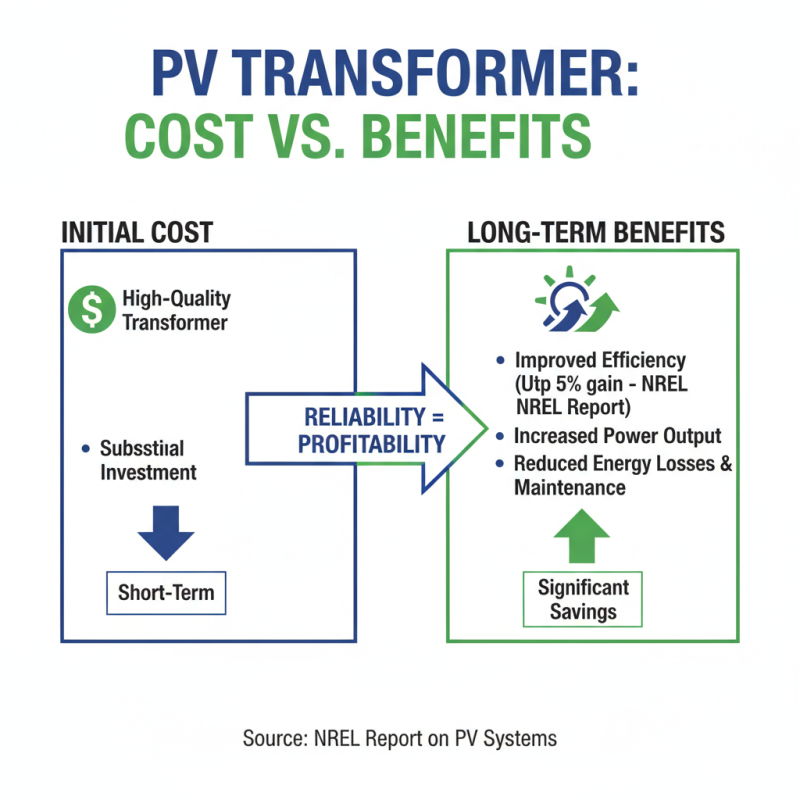
When selecting a photovoltaic (PV) transformer for your solar project, it’s crucial to analyze the cost versus the benefits. The initial investment in a high-quality transformer might seem substantial, but according to a recent report by NREL, a reliable transformer can improve system efficiency by up to 5%, which translates to significant long-term savings and increased power output. By ensuring that your transformer can handle the peak loads of your solar installation, you can reduce potential costs related to energy losses and maintenance.

One important tip is to evaluate the transformer's energy efficiency ratings. A transformer with a higher efficiency rating will not only minimize energy loss but also often qualifies for utility incentives, further offsetting initial costs. Additionally, consider the lifespan and warranty of the transformer; industry data suggests that a well-chosen transformer can operate efficiently for 25 years or more, making this durability a key factor in balancing upfront costs against long-term benefits.

Lastly, ensure to assess the transformer's environmental impact. Select models that are designed with eco-friendly materials and processes, as they often provide lower operational costs and can enhance your project's sustainability credentials. The upfront expense of sustainable transformers might be higher, but the overall benefits, including lower repair costs and the potential for government incentives, can make them a worthwhile investment.

Reviewing Vendor Reputation and Support for Your Purchase

When selecting a PV transformer for your solar project, vendor reputation and support play a critical role in ensuring a successful installation. A reputable vendor not only offers high-quality products but also ensures compliance with industry standards, which can be assessed through certifications such as KEMA, ASTA, and UL. For instance, FARADY ELECTRIC CO., LTD. excels in power transformer and switchgear manufacturing and proudly holds these certifications, indicating their commitment to safety and reliability in the renewable energy sector.

Moreover, strong vendor support can make a significant difference during both the purchasing process and post-installation. Companies like FARADY, with over 35,000 square meters of production space, are dedicated to technological innovation and customer service. This means they can provide comprehensive guidance not only in selecting the right transformer but also in addressing any operational concerns that may arise, ensuring that your solar project runs smoothly and efficiently.

Top 10 Tips for Choosing the Best Pv Transformer for Your Solar Project

Tip Description Vendor Reputation Customer Support
1. Determine Your Needs Assess your solar project requirements including capacity and installation environment. Consider reviews and ratings from previous customers. Look for vendors with dedicated support teams.
2. Check Certification Standards Ensure the transformer meets industry certification standards for safety and efficiency. Research certifications held by the vendor. Assess how easily you can reach support for compliance questions.
3. Analyze Warranty Options Review warranty periods and coverage conditions for the transformer. Choose vendors who offer extended warranties as a sign of confidence. Check responsiveness to warranty claims.
4. Consider Reliability and Efficiency Select transformers known for high efficiency and minimal downtime. Look for case studies that demonstrate reliability. Assess the availability of emergency support services.
5. Evaluate Technical Specifications Understand critical specs like voltage, insulation, and cooling needs. Seek expert opinions on tech specs from users. Ensure tech support is knowledgeable about specs.
6. Research Installation Requirements Identify installation prerequisites and costs involved. Look for customer reviews regarding installation experiences. Contact support for guidance on installation challenges.
7. Compare Pricing Get quotes from multiple vendors to ensure competitive pricing. Check long-term value instead of just the upfront cost. Evaluate price transparency in support services.
8. Assess After-Sales Service Understand the level of after-sales service you can expect. Investigate the vendor's history of after-sales support. Look for vendors with a reputation for thorough follow-ups.
9. Check Availability of Spare Parts Ensure replacement parts are readily available when needed. Find out if other users faced issues sourcing parts. Inquire about parts support durations.
10. Seek Recommendations Get advice from industry experts or other solar project developers. Look for endorsements from trusted sources. Find vendors who are regularly recommended by users.

FAQS

: Why is assessing voltage compatibility important for a solar installation?

: Assessing voltage compatibility is crucial because the transformer must match the voltage levels of both the solar panels and the grid connection. An incompatible transformer can lead to inefficiencies or potential damage, while an undersized transformer can limit system performance.

How can I determine the output voltage of my solar system?

You can determine the output voltage of your system by consulting the specifications of your solar panels and inverters. It is also important to check local grid requirements as they may have specific voltage standards.

What should I consider when selecting a photovoltaic transformer?

When selecting a PV transformer, you should consider the voltage compatibility, the transformer's capacity to handle the anticipated load, and whether it allows for future expansion as energy needs may grow.

What are the potential long-term benefits of investing in a high-quality transformer?

Investing in a high-quality transformer can improve system efficiency by up to 5%, leading to significant long-term savings and increased power output, reducing costs related to energy losses and maintenance.

Why are energy efficiency ratings important when selecting a transformer?

Higher energy efficiency ratings minimize energy loss, potentially qualifying for utility incentives that help offset initial costs, making it an important consideration when selecting a transformer.

What factors should I evaluate regarding the lifespan of a transformer?

You should consider the lifespan and warranty of the transformer, as a well-chosen transformer can operate efficiently for 25 years or more, making durability a key factor in balancing upfront costs against long-term benefits.

How does the environmental impact of a transformer affect my choice?

Selecting eco-friendly transformers can provide lower operational costs and enhance sustainability credentials for your project. Although sustainable options may have higher upfront costs, the long-term benefits can make them worthwhile.

What risks are associated with using an undersized transformer?

An undersized transformer can limit your solar system's performance, preventing you from harnessing the maximum energy from the sun, which can lead to reduced efficiency and increased costs.

How can choosing the right transformer contribute to future growth?

Choosing a transformer that can handle anticipated loads with some overhead allows for growth as solar technology advances or as your energy requirements increase, ensuring your system remains efficient over time.

Conclusion

In selecting the best PV transformer for solar projects, understanding its vital role is crucial. PV transformers facilitate the conversion of solar energy into usable electrical power while ensuring system safety and efficiency. Key specifications such as power rating, efficiency, and voltage compatibility must be carefully evaluated to match the unique demands of each solar installation. Additionally, the reliability and lifespan of the transformer play a significant role in minimizing maintenance costs and maximizing operational uptime.

Cost versus benefit analysis is essential, as it helps determine the best investment for long-term performance. Furthermore, vendor reputation and support can significantly influence the decision-making process, ensuring that customers receive high-quality products backed by reliable service. At FARADY ELECTRIC CO., LTD., we specialize in manufacturing high-quality PV transformers, maintaining KEMA/ASTA/UL certifications, and continuously driving technological innovation to meet the evolving needs of solar energy projects.
Charlotte

Charlotte

Charlotte is a dedicated marketing professional at FARADY, specializing in the manufacturing of power transformers, regulators, and switchgears. With a strong emphasis on quality, FARADY holds KEMA, ASTA, and UL certifications, ensuring that our products meet the highest industry standards.......
Previous Understanding the Importance of Voltage Adjusters in Modern Electronics